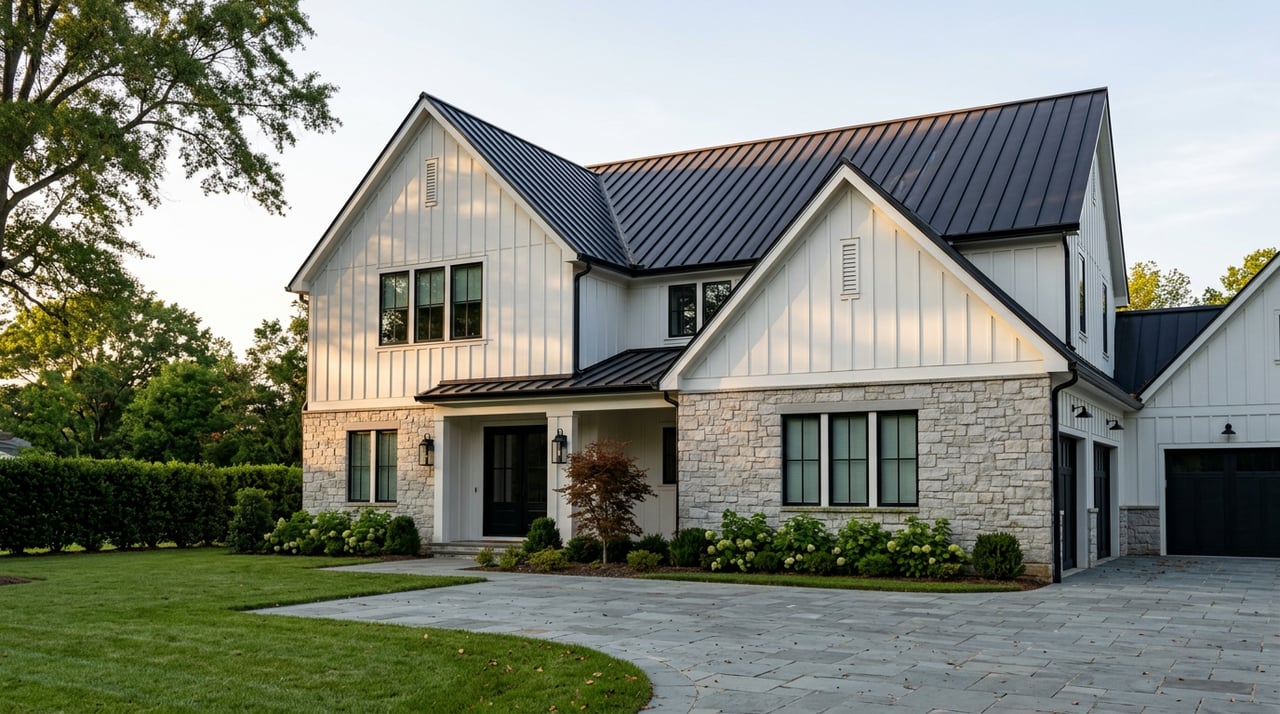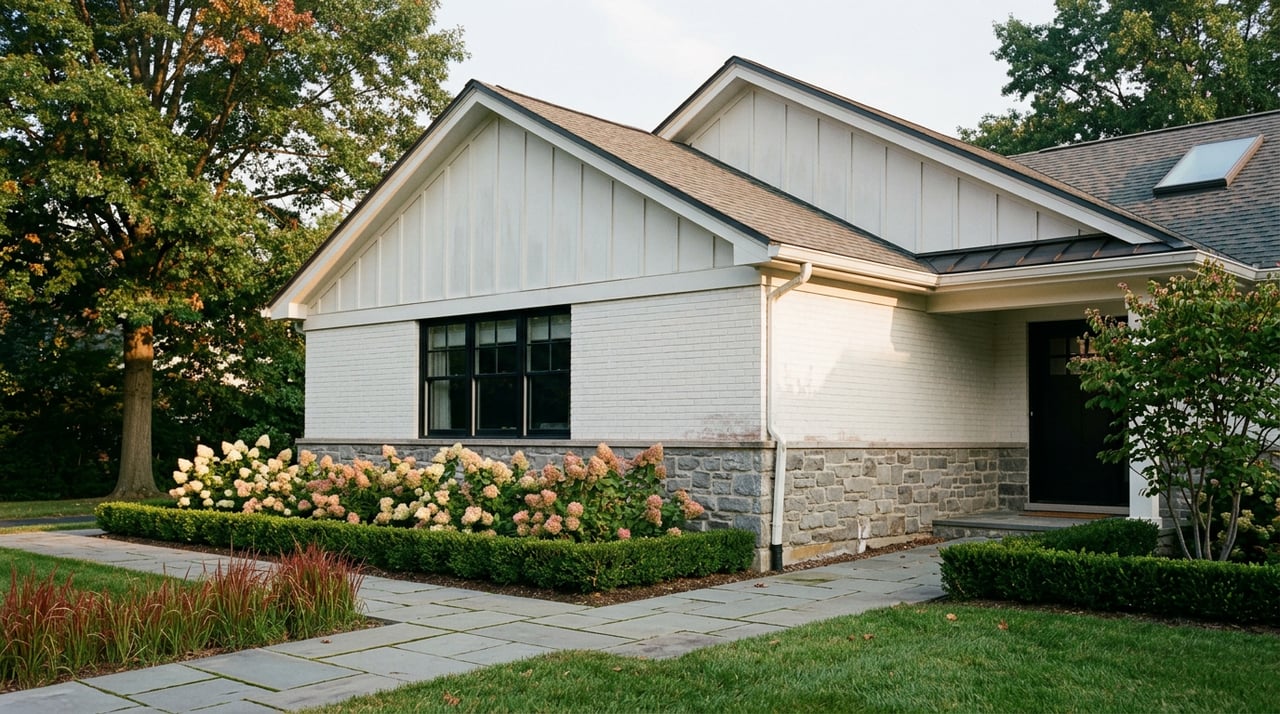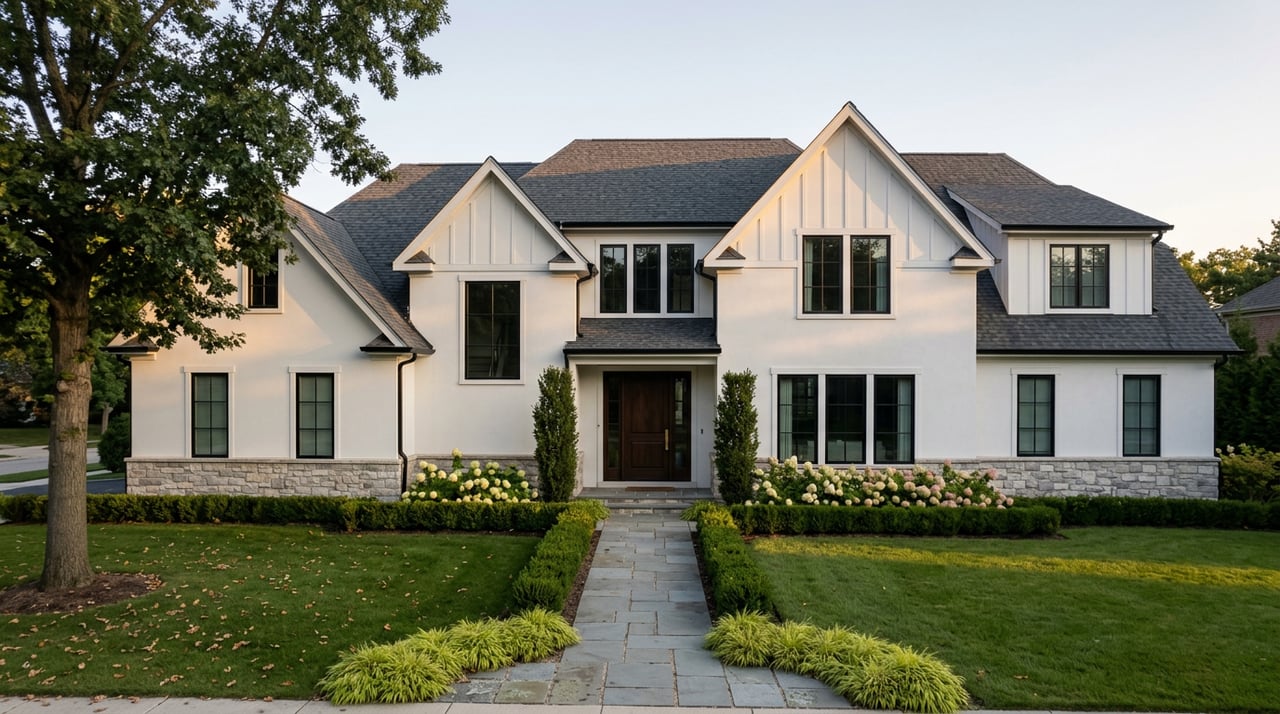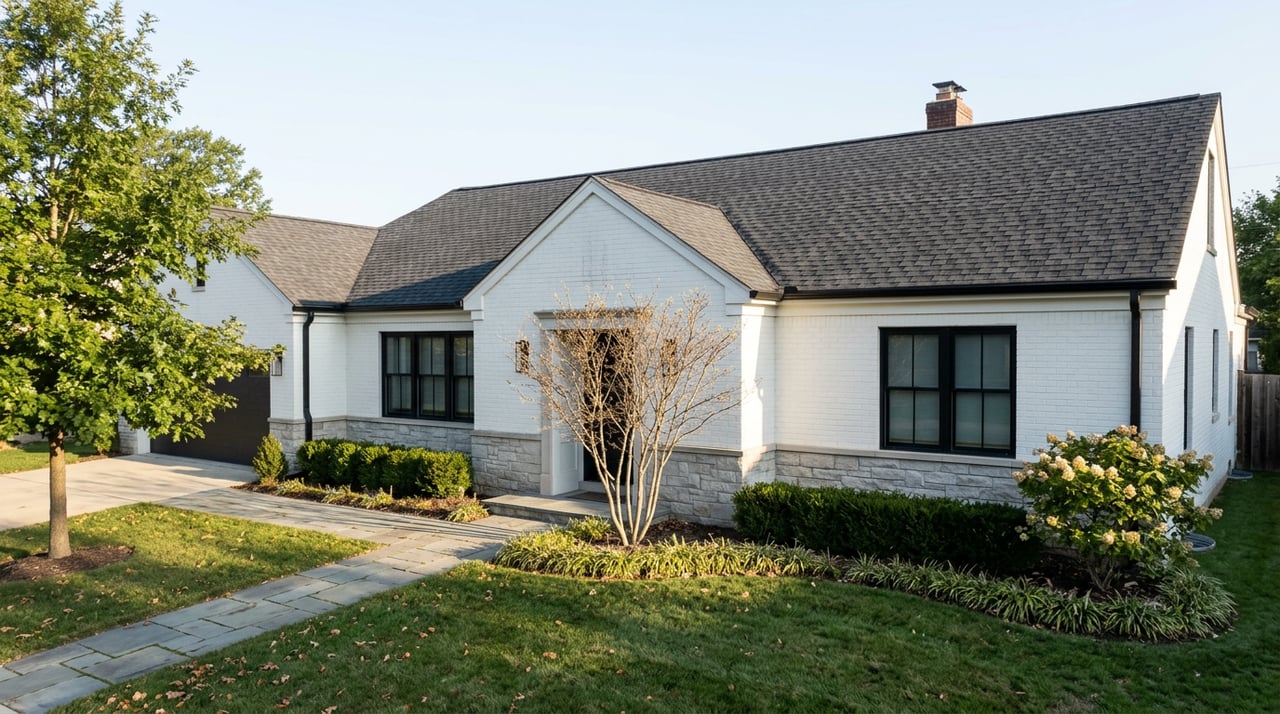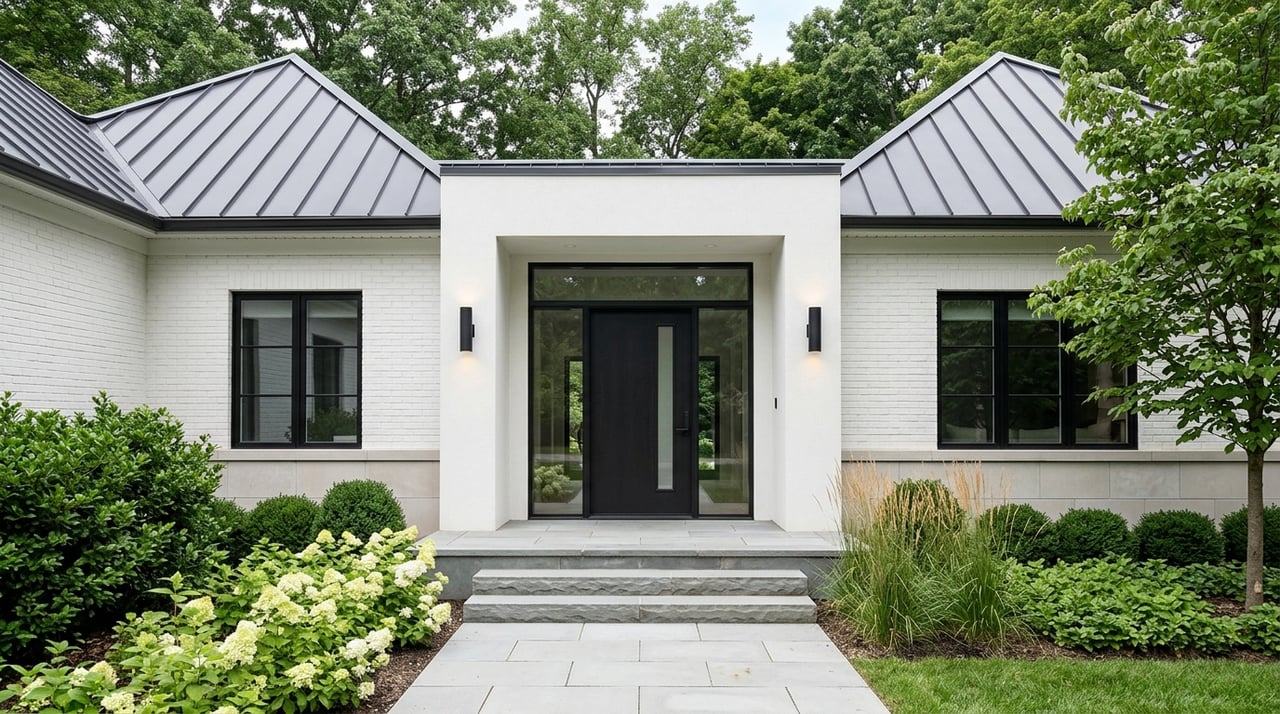
Thinking about buying a brand-new home in Bethesda or Potomac? It can be exciting to picture fresh finishes, modern systems, and the chance to buy before a home is fully complete. It can also feel more complex than a typical resale purchase, especially when you are sorting through builder contracts, county rules, inspections, and disclosure deadlines. This guide will help you understand how new construction works in this part of Montgomery County so you can move forward with more clarity and confidence. Let’s dive in.
What New Construction Looks Like Here
In Bethesda and Potomac, new construction often looks different from what buyers expect in large master-planned communities. According to Montgomery Planning’s West County overview, approved projects can stay in the pipeline for a long time because planning approval is only one step, with permitting, engineering, and financing still ahead.
That means your options may include spec homes, builder inventory, infill rebuilds, and custom projects rather than rows of nearly identical homes. The National Association of Realtors consumer guide explains that spec homes are typically already under construction or recently completed, with customization depending on the stage of the build.
Know the Builder Before You Sign
Before you get too far into a new construction purchase, confirm that the builder is properly registered. Montgomery County’s Office of Consumer Protection requires new-home builders and sellers to register, and buyers can ask the county to confirm whether that registration is current.
This is not just a technical detail. The county says builders must display their registration number on the site and in advertising, and Maryland law generally ties permit issuance to that registration number and the required Guaranty Fund fee.
A quick builder check can help you avoid unnecessary risk early in the process. It is a simple step, but it can give you a better sense of whether the project is being handled in line with local requirements.
Understand the Permitting Timeline
A polished model home or framed structure can make a project feel close to completion, but permits and inspections still shape the real timeline. For detached one- and two-family homes and townhouses, Montgomery County DPS requires a permit before construction starts, along with related permits that may include right-of-way, sediment control, electrical, mechanical, well, septic, and fire-protection approvals.
Permit review runs through multiple agencies, including DPS, WSSC, and M-NCPPC. DPS notes that code review is targeted within four weeks, but that does not always mean a home is ready for a quick closing right after you go under contract.
If you are buying a home that is still under construction, ask where the property stands in the permitting and inspection process. That can help you set realistic expectations for completion, walk-throughs, and settlement.
Bethesda and Potomac Contracts Need Careful Review
New construction contracts are often builder-written, which means the terms may look very different from a standard resale agreement. In Maryland, the initial sale contract for a new home is normally contingent on your obtaining a written financing commitment unless the contract clearly says otherwise.
If the contract is contingent, it must also state the maximum interest rate you must accept and the time allowed to secure that commitment. Those details matter, especially if rates move while the home is being built.
For buyers, this is a good reminder that the financing section is not just boilerplate. You want to know exactly what deadlines apply, what happens if construction is delayed, and whether your financing protections are clearly spelled out.
HOA and Covenant Documents Matter
Some new homes in Bethesda and Potomac are part of an HOA or another common-interest community. If so, Maryland requires the seller to provide the HOA disclosure package on or before contract or within 20 calendar days.
That timing matters because your cancellation rights depend on when you receive the documents. If you did not get the required information at least five days before contract, you generally have five calendar days after receiving it to cancel in writing without penalty. If there is a later material change, a three-day cancellation right may apply.
Montgomery County also notes that many subdivisions and developments have private deed restrictions and covenants, and the county does not enforce them. In practical terms, that means you should review HOA and community documents directly instead of assuming the county will step in on covenant issues.
Custom Home vs. Spec Home
Not every new construction purchase follows the same process. Maryland separately defines a custom home and a custom-home contract, and that framework often includes a draw schedule with milestone-based payments.
That is different from many spec or inventory purchases, where you may make an initial deposit and then close when the home is complete. If you are buying on your own lot, or on land you already owned, the legal structure may be different from a more typical builder inventory purchase.
Knowing which category your purchase falls into can help you better understand payment timing, contract structure, and what kind of flexibility you may or may not have during the build.
Watch for Energy and Warranty Disclosures
For larger subdivisions, Maryland requires builders to provide written information about energy-efficient options before the initial contract is signed, and the contract must acknowledge that disclosure. If the home you are considering falls into that category, make sure you actually receive and review that information.
Warranty coverage is another area where details matter. Montgomery County says new homes are generally warranted for one year for materials and workmanship, two years for electrical, plumbing, heating, cooling, ventilating, and mechanical systems, and five years for major structural defects, according to its new-home warranty guidance.
The county also says the builder must disclose in writing whether any bond, insurance, or other financial security backs the warranty and provide proof on request. If a builder offers a third-party warranty plan, the Maryland Attorney General’s consumer publication advises buyers to verify that the builder is in good standing with the warranty company and that the home has been registered for coverage before settlement.
Inspections Still Matter on a New Home
One of the biggest misconceptions in new construction is that county inspections replace your own inspection. They do not. Montgomery County consumer protection says new-home buyers are entitled to an inspection before settlement, and that is separate from the county’s code-inspection process.
This distinction is important. County inspections focus on code compliance, while your own inspector is looking at the home from the buyer’s point of view.
Montgomery County DPS also explains that a buyer can settle before final county inspection only if the owner signs a Final Inspection Waiver, but the house still cannot be occupied until final inspection approval is issued. You want to understand exactly where the property stands before you agree to close.
Closing Delays Can Happen
Even when a home looks complete, the final steps can still affect your timeline. DPS inspection guidance notes that close-in and final building, electrical, and mechanical inspections are coordinated together, and the final inspection marks the end of the county’s code-compliance process.
Montgomery County also imposes development impact taxes for transportation and schools on new construction, and those taxes must be paid before final inspection. DPS says the taxes are due when the permit is issued, though payment can sometimes be deferred for up to six months from permit issuance or final inspection, whichever comes first. If taxes remain unpaid when the project is ready for final inspection, DPS can issue a stop-work order.
For you as a buyer, that means some delays may have nothing to do with your lender or your walk-through. They can come from the builder side of the process, which is why clear communication and steady transaction oversight matter.
Radon Is Part of the New-Home Process
In Montgomery County, radon is not an optional side topic for many buyers. The county requires single-family homes, including detached homes and townhomes that are not condos or co-ops, to be tested before closing when the settlement date is October 1, 2016 or later.
The county also says all new homes must be built to resist radon entry and to prepare for future mitigation if needed. If you are buying new construction, ask how the builder is handling the required testing and what documentation you will receive before settlement.
Why Independent Representation Helps
When you walk into a model home or builder sales office, the process can feel smooth and straightforward. But it is important to remember that the builder’s sales team represents the builder’s side of the transaction.
Maryland law excludes a buyer’s agent from the home-builder definition, which helps preserve that separate role. In practical terms, an independent buyer’s agent can help you verify builder registration, review contract timing, track disclosure deadlines, and flag issues like final-inspection waivers before they become closing-day surprises.
In Bethesda and Potomac, where many new homes are infill projects or premium spec builds, that kind of guidance can be especially valuable. A relationship-first, development-savvy approach can help you make sense of both the home itself and the process behind it.
If you are considering buying new construction in Bethesda or Potomac, working with a team that understands both the transaction side and the construction side can make the process feel much more manageable. If you want thoughtful guidance on evaluating a builder, reviewing a spec-home opportunity, or planning your purchase timeline, connect with Charisse McElroy for a concierge consultation.
FAQs
What types of new construction are common in Bethesda and Potomac?
- Buyers in Bethesda and Potomac will often see spec homes, builder inventory, infill rebuilds, and custom projects rather than large, uniform subdivisions.
What should buyers verify about a Montgomery County builder before signing?
- You should confirm that the builder is currently registered with Montgomery County’s Office of Consumer Protection and look for the registration number on the site and in advertising.
What financing protection applies to a Maryland new-home contract?
- Maryland says the initial sale contract is normally contingent on your written financing commitment unless the contract clearly states otherwise, and it must spell out key financing terms if the contingency applies.
What HOA disclosures should buyers expect with new construction in Maryland?
- If the home is in an HOA or common-interest community, the seller must provide the required disclosure package within the timelines set by Maryland law, and those disclosures can trigger cancellation rights that cannot be waived.
Do buyers still need an independent inspection on a new construction home?
- Yes. Montgomery County says buyers are entitled to an inspection before settlement, and that inspection is separate from the county’s own code-inspection process.
What radon requirement applies to new homes in Montgomery County?
- Montgomery County requires radon testing before closing for covered single-family homes, including detached homes and eligible townhomes, and it also requires new homes to be built to resist radon entry.