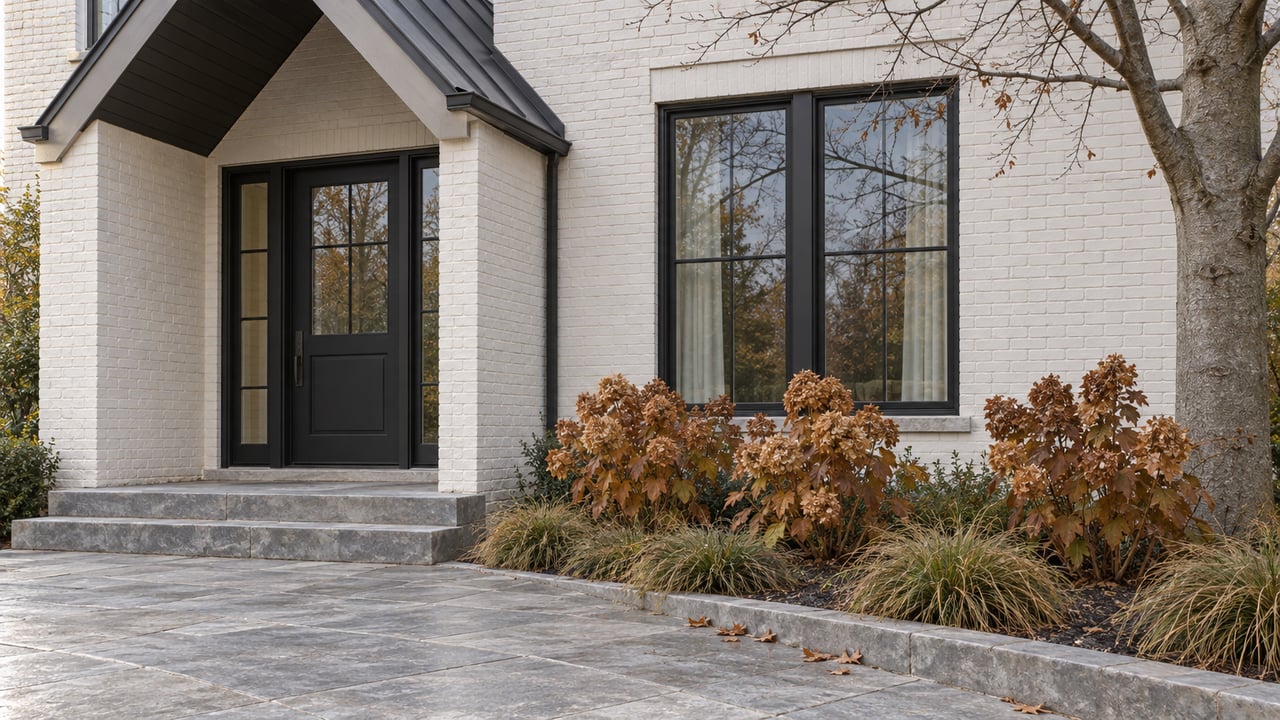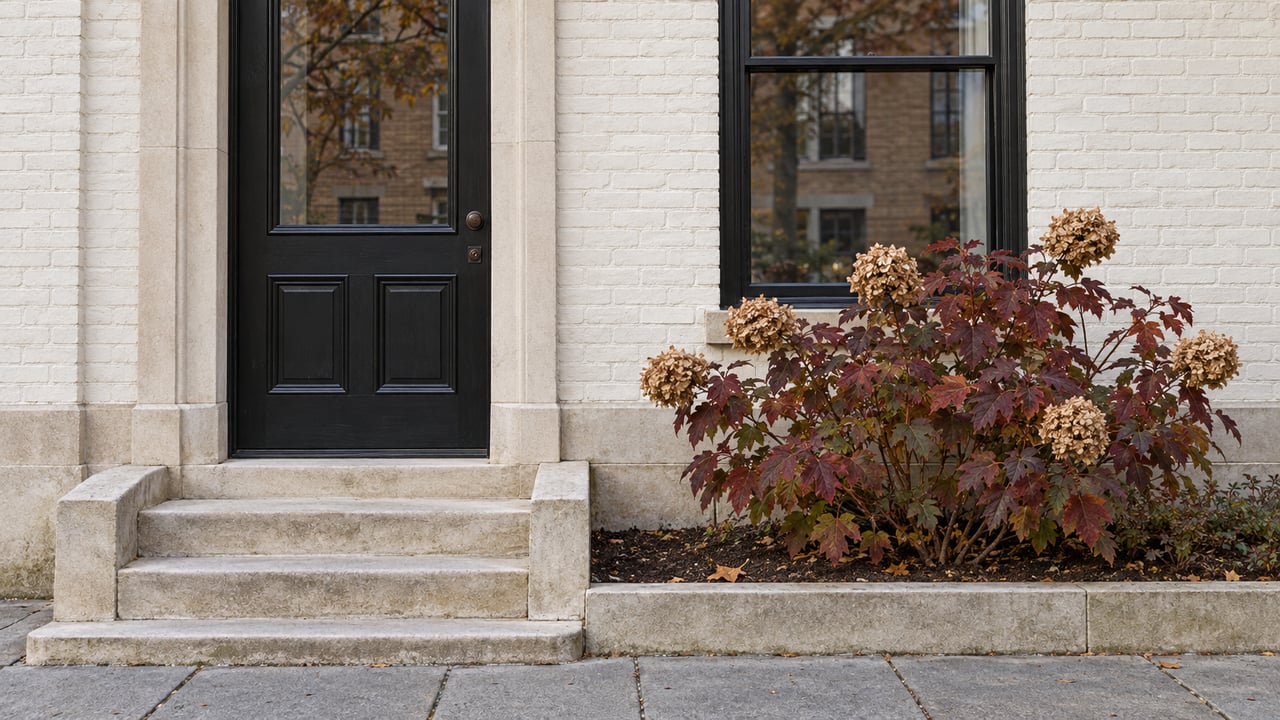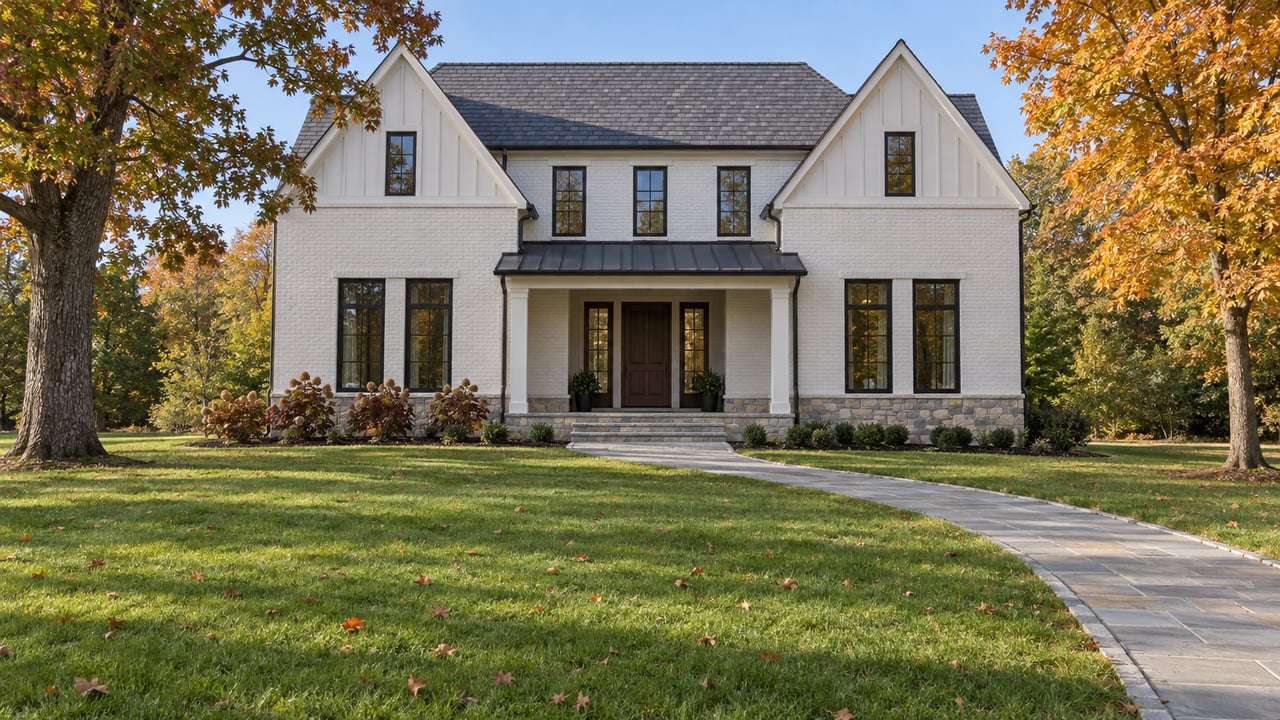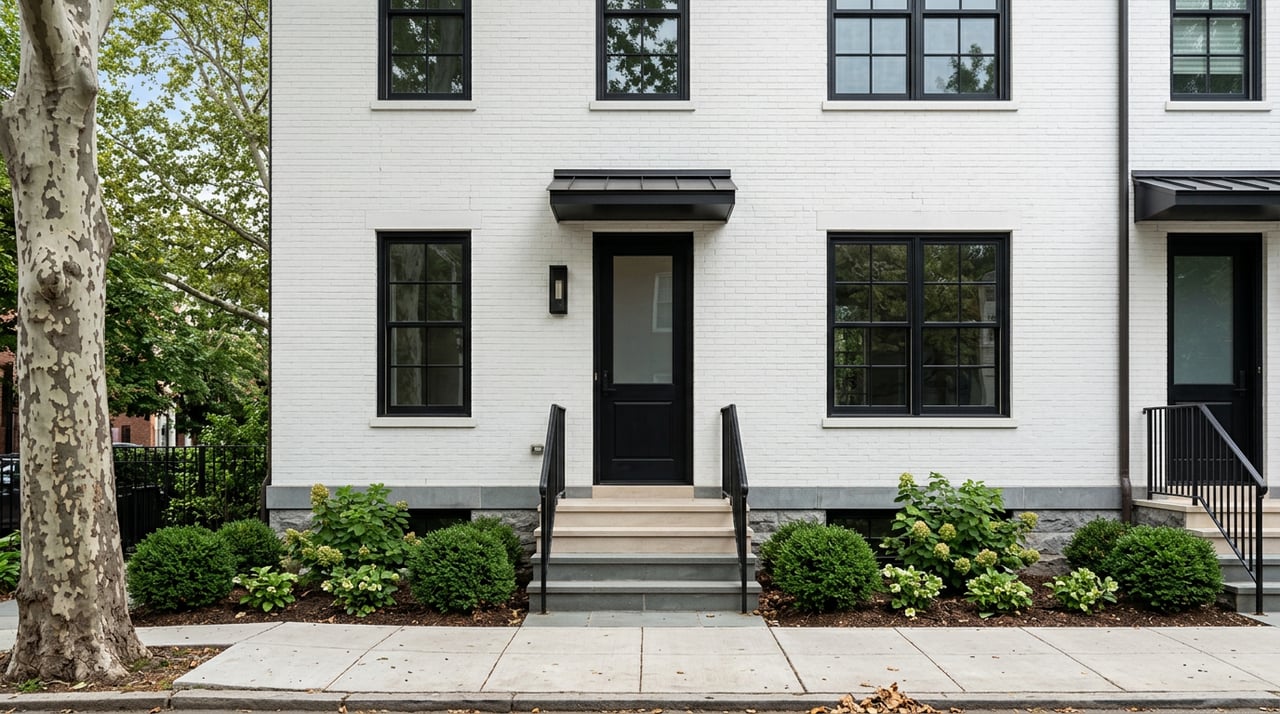
Torn between a classic DC rowhouse and the convenience of a condo or co-op? You are not alone. Northwest DC offers all three, often on the same block, and the differences matter for your budget, financing, and day-to-day life. In this guide, you will learn how each option works, what you really pay each month, what lenders look for, and where each style tends to show up in NW DC. Let’s dive in.
Rowhouse, condo, and co-op explained
Rowhouse (fee simple)
A rowhouse is an attached single-family home where you own the land and the structure. You are responsible for interior and exterior maintenance, unless the home is part of an HOA or condo regime. Historic brick rowhouses line many NW DC streets and are a defining local housing type. You can see their prevalence in DC’s historic fabric and architecture records that highlight longtime rowhouse blocks across the city (source).
Condominium (condo)
With a condo, you own your interior unit and a shared interest in common elements like the lobby, roof, exterior, and grounds. DC condos operate under the District’s Condominium Act, with administration through city agencies that handle registrations and related matters (District of Columbia Condominium Act). Monthly association fees fund operations, building insurance for common areas, and reserves.
Cooperative (co-op)
A co-op buyer purchases shares in a corporation that owns the entire building. Your shares come with a proprietary lease for a specific apartment. Monthly maintenance charges usually include the co-op’s property taxes, some utilities, and any building mortgage, so the fee may look high but often covers more line items than a condo fee (HUD overview of co-ops).
Quick compare: ownership, taxes, upkeep, financing
| Feature | Rowhouse | Condo | Co-op |
|---|---|---|---|
| Ownership | Fee simple title to land and structure | Deed to unit plus shared interest in common areas | Shares in a corporation plus a proprietary lease |
| Property tax | You pay DC property tax directly | You pay tax on your unit directly | Building pays the tax, then passes it through in monthly fees |
| Exterior maintenance | You handle exterior and yard | Association handles common/exterior | Corporation handles building exterior/common |
| Financing and approvals | Standard mortgage and underwriting | Lender also reviews project health and eligibility | Fewer lenders, share loans, board approval often required |
What you pay each month in DC
Property taxes
DC taxes Class 1 residential property at $0.85 per $100 of assessed value. Your lender or title company will help you confirm the current assessment, but it is smart to model your annual tax based on that rate (DC tax rate reference).
- Rowhouse: You pay taxes directly to the city.
- Condo: You pay taxes on your unit directly to the city.
- Co-op: The co-op corporation pays the building’s tax bill and passes your share through in monthly maintenance. This is a major reason co-op fees can look higher at first glance (co-op structure primer).
Association or maintenance fees
- Condo fees vary based on size, staff, and amenities. Small walk-ups with limited services can be in the low hundreds per month. Amenity-rich buildings with front desk, gym, and shared utilities can run several hundred dollars to more than $1,000 per month. Always compare what is included.
- Co-op maintenance often includes the building’s property taxes, some utilities, reserves, and any underlying mortgage, which changes how you compare it to a condo fee. Break out the fee components so you compare apples to apples (co-op vs. condo cost components).
- Rowhouse owners do not pay an association fee unless the home is part of a specific HOA or condo setup.
Insurance: what to buy
- Rowhouse owners carry a standard homeowner’s policy that covers the structure and contents.
- Condo owners typically buy an HO-6 policy that covers interior finishes and personal property, while the condo association maintains a master policy for common elements and the exterior. Ask for the association’s insurance certificate to see coverage and deductibles (condo insurance basics).
- Co-op shareholders usually carry an HO-6-style policy for contents and liability, while the corporation insures the building. Confirm whether improvements are covered by the master policy and what the deductibles are (co-op insurance overview).
Maintenance, governance, and the paperwork to review
Condos: review the building’s financial health
Before you write an offer, or at least during your review period, request:
- Declaration, bylaws, budget, and most recent audited financials.
- Reserve study or proof of regular reserve contributions. Secondary market lenders have emphasized reserves and deferred maintenance since 2021 (Fannie Mae guidance).
- Association meeting minutes for 12 to 24 months to spot major repairs, litigation, or special assessments.
- Insurance certificate with master policy details and deductibles (condo and co-op insurance reference).
Co-ops: focus on the corporation’s strength
Ask for:
- Proprietary lease, bylaws, and articles of incorporation.
- Building financial statements and shareholder meeting minutes.
- Policies on subletting, purchaser approval, and the full board application checklist.
- Details on any underlying building mortgage and how it impacts monthly fees (co-op diligence checklist).
Rowhouses: plan for permits and preservation
In NW DC, confirm if the home is in a historic district. Exterior changes can require review by staff or the Historic Preservation Review Board, which affects timelines and cost. Also check zoning, party-wall matters, and permit history for past work (DC permitting and HPRB overview).
Financing and approval: how your closing can differ
- Condos: Most conventional, FHA, and VA loans are possible, but the building must meet project eligibility. Lenders now scrutinize reserves, special assessments, litigation, and deferred maintenance more closely. Verify building status early with your lender to avoid surprises (Fannie Mae project review requirements).
- Co-ops: Expect a board application, possible interview, and stricter liquidity or down payment standards. Financing is a share loan, and fewer lenders offer them, so prequalify with a lender that regularly closes co-ops. Timing can be less predictable than a condo purchase (co-op process overview).
- Rowhouses: Financing is typically straightforward with a standard mortgage. Your lender and title company will check typical single-family items like liens, covenants, and party-wall rights.
Where each fits in Northwest DC
- Condos: If you want low-maintenance, lock-and-leave living and amenities like a gym or front desk, you will find many options in Logan Circle, Dupont Circle, Downtown, and along the 14th Street corridor. Look closely at budgets, reserves, and sublet rules if you may rent later.
- Rowhouses: If you want a yard, more privacy, and control over your exterior, consider fee-simple rowhouses on blocks across Adams Morgan, U Street, Columbia Heights, and pockets of Cleveland Park. Confirm historic-district guidelines before planning exterior changes.
- Co-ops: If you value a potentially lower purchase price per square foot and can work within board rules and approvals, certain older apartment buildings across NW DC offer co-op options. Budget extra time for the application and approval process.
Smart buyer checklist for any NW DC listing
Use this to compare options on a level playing field:
- Ask for recent financials and the current budget to gauge reserves and the risk of special assessments (lender reserve expectations).
- Request the reserve study or proof of 10 percent reserve contributions, since lenders often look for this benchmark (Fannie Mae guidance).
- Read meeting minutes for the last 12 to 24 months to spot deferred maintenance or litigation (project review focus areas).
- Review the master insurance certificate and confirm what you must insure yourself (insurance basics for condos/co-ops).
- Get a list of any special assessments and current owner delinquencies.
- If buying a co-op, request the proprietary lease, sublet policies, and a step-by-step board application timeline (co-op process overview).
- If buying a rowhouse, verify historic-district status and whether planned work will need HPRB approval (HPRB reference).
- Confirm which utilities are included in monthly fees, since this can shift your budget comparison materially (DC condo form reference).
Red flags that should slow you down
- Thin reserves paired with recent or frequent special assessments (project risk indicators).
- High delinquency rates or active, unresolved litigation in building documents (lender review priorities).
- Co-op boards with opaque rules, severe sublet restrictions, or very high liquidity requirements (co-op governance considerations).
- Rowhouses in historic districts when your renovation plan depends on exterior changes with long approvals or potential appeals (HPRB overview).
DC buyer assistance that works with all three
If you are eligible, DC’s Home Purchase Assistance Program and related products through DCHFA can help with down payment and closing costs. These programs can be used for single-family homes, condos, and co-ops within the District, subject to program rules. Talk to a participating DCHFA lender early to see what you can qualify for (DCHFA program info).
How to choose what fits you
Start with how you want to live and what you want to handle. If you value privacy and outdoor space, a fee-simple rowhouse could be right. If you want a managed building with on-site services, a condo is often the better fit. If you like the idea of included taxes and you are comfortable with board approvals, a co-op may offer value.
You do not have to decide alone. A thoughtful strategy session can clarify your true monthly costs, likely lending path, and the best neighborhoods to target. For senior-level guidance and a concierge process from first tour to close, connect with Charisse McElroy. Request a Concierge Consultation.
FAQs
What is the key difference between a condo and a co-op in Northwest DC?
- In a condo you own a deeded unit and pay your own taxes, while in a co-op you own shares in a corporation, receive a proprietary lease, and your monthly fee usually includes the building’s property taxes (overview).
How do DC property taxes work for co-ops versus condos or rowhouses?
- DC taxes residential property at $0.85 per $100 of assessed value; condo and rowhouse owners pay directly, while in co-ops the corporation pays and passes your share through in monthly maintenance (DC tax rate).
Can I use FHA or VA financing for a condo in NW DC?
- Often yes, but the building must meet project eligibility and lenders review reserves, assessments, litigation, and maintenance; check status with your lender early (Fannie Mae guidance).
What documents should I review before buying a condo or co-op in DC?
- Request bylaws, budgets, recent financials, reserve study, meeting minutes, insurance certificates, and any assessments; for co-ops also get the proprietary lease, board policies, and application steps (documents list).
If I buy a rowhouse in a DC historic district, what should I expect for renovations?
- Exterior changes often require staff review or Historic Preservation Review Board approval, which can extend timelines; confirm status and plan accordingly (HPRB process overview).