If you want a single-family home in Northern Virginia, the hardest part is often not deciding whether to buy. It is deciding where your budget and lifestyle fit best. Falls Church, Fairfax, and McLean can all put you close to major job centers, shopping, dining, and Metro access, but they do not offer the same price point, lot profile, or day-to-day convenience. This guide breaks down how these areas compare for detached-home living so you can narrow your search with more confidence. Let’s dive in.
Price Differences at a Glance
For single-family buyers, the clearest starting point is price. Recent market data shows a distinct tiering across the areas in this comparison, with 22042 as the lower-entry Falls Church side, 22043 in the middle, and McLean at the premium end.
At the all-home level, median sale prices are about $726,000 in 22042, $950,000 in 22043, and $1.95 million in McLean. Homes are also moving at a fairly similar pace, with median days on market around 23 days in 22042, 25 days in 22043, and 19 days in McLean.
Detached-Home Pricing Tells the Better Story
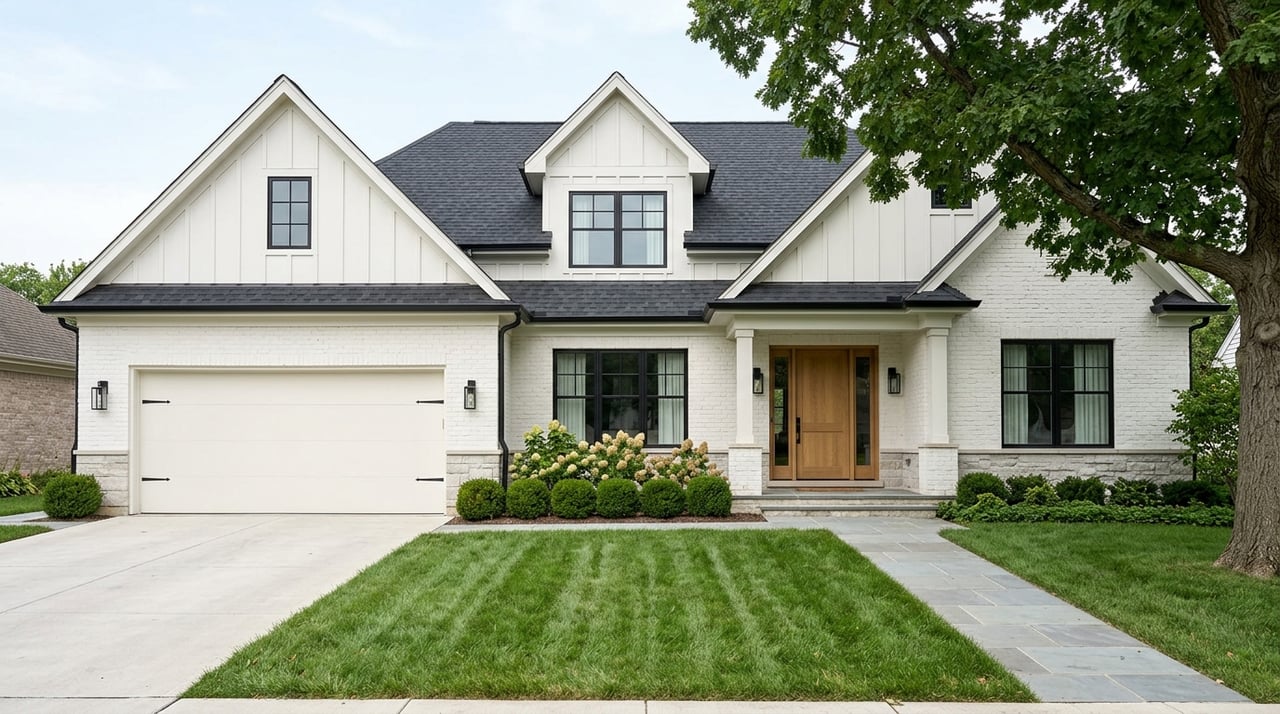
If you are focused on single-family living, detached-home sales give a more useful picture than broad market medians. In 22042, recent detached sales have landed around $1.15 million to $1.35 million.
In 22043, detached sales have ranged from about $1.25 million to $2.45 million. McLean detached sales show a wider premium band, including examples around $1.36 million, $1.63 million, and $3.0 million.
That matters because the line between these markets is not absolute. You can still find overlap in pricing, but in general, 22042 tends to be the value tier, 22043 the middle tier, and McLean the premium tier.
What You Get for the Money
Price matters, but so does what comes with it. For many buyers, the real question is how much house, yard, and future flexibility each area tends to offer.
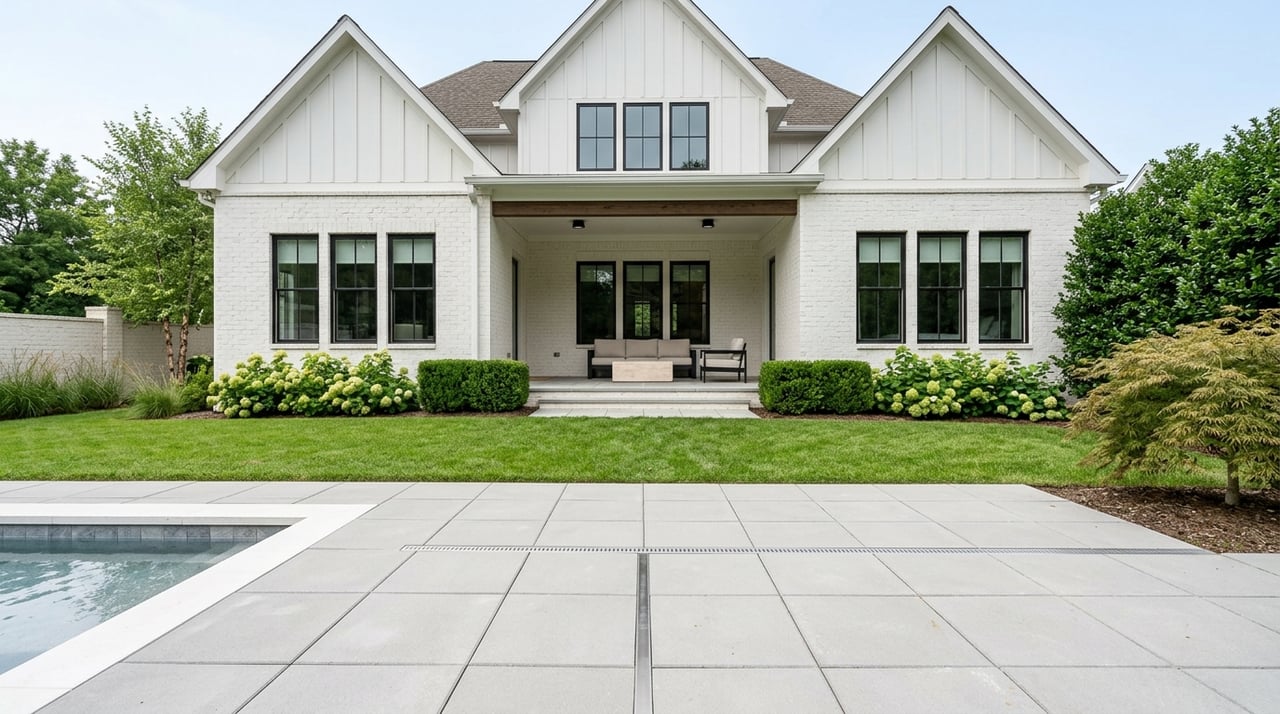
In the Falls Church-area detached market, sample listings suggest a suburban lot pattern. Examples in 22042 and 22043 include lots around 6,251 square feet, 8,455 square feet, 0.35 acre, 0.47 acre, 0.48 acre, and 0.53 acre.
Those lot sizes can support comfortable single-family living with outdoor space, but they are generally not estate-scale. If you want a manageable yard, room for entertaining, or some expansion potential without stretching into the highest price band, Falls Church-area options may feel like a practical fit.
McLean Offers More Large-Lot Potential
McLean tends to offer a broader range of lot sizes, including more large-parcel outliers. Sample listings include lots of 0.29 acre, 0.31 acre, 0.49 acre, and even a 3.88-acre parcel.
That range points to one of McLean’s biggest advantages for detached-home buyers. If your wish list includes deeper setbacks, a larger yard, space for a pool, or more room for future expansion, McLean is more likely to present those opportunities.
Of course, that larger-lot potential usually comes with a higher price tag. If lot size is a top priority, it may justify the premium. If not, Falls Church may offer a better value equation.
Metro Access and Commute Style
Commute habits can make one location feel much more convenient than another. Even if two homes look similar on paper, the way you get in and out of your day can shape your long-term satisfaction.
For buyers who want a traditional park-and-ride setup, Falls Church has a strong advantage. WMATA lists West Falls Church station in Falls Church with $3 per day Park & Ride parking, and East Falls Church station offers 422 all-day parking spaces.
That setup can be especially useful if you want the option to drive to Metro, park, and continue into the region by rail. For many households, that flexibility adds real day-to-day value.
McLean Is Strong for Silver Line Access
McLean offers good rail access too, but the pattern is different. WMATA lists McLean station on Dolley Madison Boulevard and Tysons station on Chain Bridge Road, and both currently show no parking.
Tysons Corner Center notes direct access to the Silver Line, which strengthens McLean’s connection to the broader transit network. Still, if your ideal routine involves driving to a station and parking there all day, Falls Church tends to be the easier fit.
Shopping and Dining in Falls Church
Lifestyle matters just as much as commute and price. If you are choosing between these areas, it helps to think about whether you want more neighborhood-scale convenience or more regional retail power close by.
Falls Church offers a mix of local and destination access. The city points residents and visitors to shopping and dining resources and describes the broader area as close to two Metro stations, Tysons, the Mosaic District, and Seven Corners.
Mosaic District adds another layer to the Falls Church-area lifestyle mix, with shopping, dining, and entertainment, along with free parking and a weekday shuttle to and from Dunn Loring–Merrifield Metro. For many buyers, that creates a practical blend of everyday convenience and nearby destination options.
McLean Balances Village Feel and Tysons Scale
McLean’s lifestyle story is a little different. Fairfax County design guidance for downtown McLean emphasizes a small-town feel, along with outdoor cafés, park spaces, and gathering areas.
At the same time, McLean benefits from immediate access to Tysons-scale retail. The McLean Revitalization Corporation says its downtown restaurant and retail guide covers 52 restaurants, while Tysons Corner Center reports more than 300 brands and 40 dining destinations.
That combination gives McLean two different identities at once. You get a more village-like downtown atmosphere, paired with access to one of the region’s largest retail and dining hubs.
Which Area Fits Your Priorities?
There is no single best answer for every buyer. The right fit depends on how you weigh budget, lot size, commute habits, and the kind of daily environment you want around you.
Choose 22042 if You Want Better Entry Pricing
If your goal is to enter the detached-home market with a more attainable budget, 22042 often stands out. It still puts you in the Falls Church area while generally sitting at the lowest price tier in this comparison.
That can make it appealing if you want single-family living, access to regional amenities, and stronger park-and-ride flexibility without jumping to McLean pricing.
Choose 22043 if You Want a Middle Ground
22043 can make sense if you want a step up in pricing and housing range while staying short of McLean’s premium tier. It often functions as a middle band for buyers who want detached-home options across a broader price spread.
For some households, that middle ground creates the best balance of budget and product type. You may find the right mix of home size, lot size, and location without paying for the top end of the market.
Choose McLean if You Want Premium Space
McLean is often the best fit if your priorities center on larger-lot potential, higher-end detached inventory, and close access to Tysons and the Silver Line. Buyers looking for more land, deeper setbacks, or long-term expansion potential often focus here for a reason.
The tradeoff is price. In most cases, you should expect to pay more for those features and that location profile.
A Simple Way to Decide
If you are still comparing these areas, ask yourself three practical questions:
- What price range feels comfortable for a detached home?
- How important is drive-and-park Metro access?
- Do you want a standard suburban lot or a better chance at a larger parcel?
Those answers usually point you in the right direction. In broad terms, Falls Church-area buyers often gain more attainable entry pricing and better park-and-ride flexibility, while McLean buyers often gain larger-lot potential and stronger access to Tysons and the Silver Line.
In a market where detached-home options can vary widely block by block, local guidance matters. A boutique, senior-led team can help you compare not just list prices, but the real tradeoffs in lot size, commute flow, and long-term fit. If you are weighing Falls Church, Fairfax, or McLean for your next move, Charisse McElroy can help you make a clear, confident decision.
FAQs
What is the price difference between Falls Church and McLean single-family homes?
- Recent data shows a clear tiering, with 22042 at the lower-entry level, 22043 in the middle, and McLean at the premium end. Detached-home examples in 22042 run around $1.15 million to $1.35 million, while McLean examples include roughly $1.36 million, $1.63 million, and $3.0 million.
Which area has larger lots for detached homes, Falls Church or McLean?
- McLean generally offers more large-lot potential. Falls Church-area examples include suburban-scale lots such as 6,251 square feet, 8,455 square feet, and around 0.35 to 0.53 acre, while McLean examples range up to a 3.88-acre parcel.
Is Falls Church better for park-and-ride Metro access than McLean?
- Yes, Falls Church has the stronger park-and-ride setup in this comparison. West Falls Church lists $3 per day parking, and East Falls Church has 422 all-day parking spaces, while McLean and Tysons stations currently list no parking.
What kind of shopping and dining access do Falls Church and McLean offer?
- Falls Church offers a mix of neighborhood and destination access near places like Mosaic District, Tysons, and Seven Corners. McLean combines a smaller downtown setting with access to Tysons Corner Center, which reports more than 300 brands and 40 dining destinations.
How should you choose between 22042, 22043, and McLean for single-family living?
- A simple way to decide is to compare your budget, your preferred commute style, and your lot-size goals. In general, 22042 fits value-focused buyers, 22043 fits buyers looking for a middle ground, and McLean fits buyers seeking premium pricing and larger-lot potential.