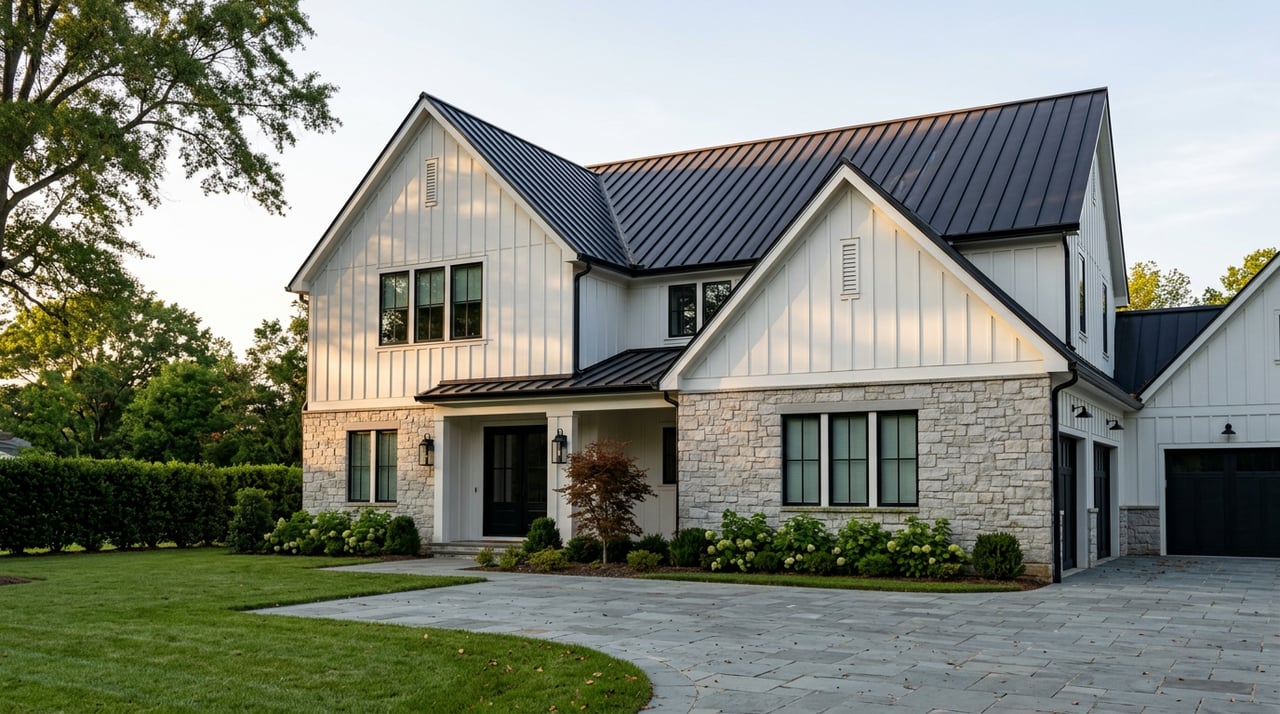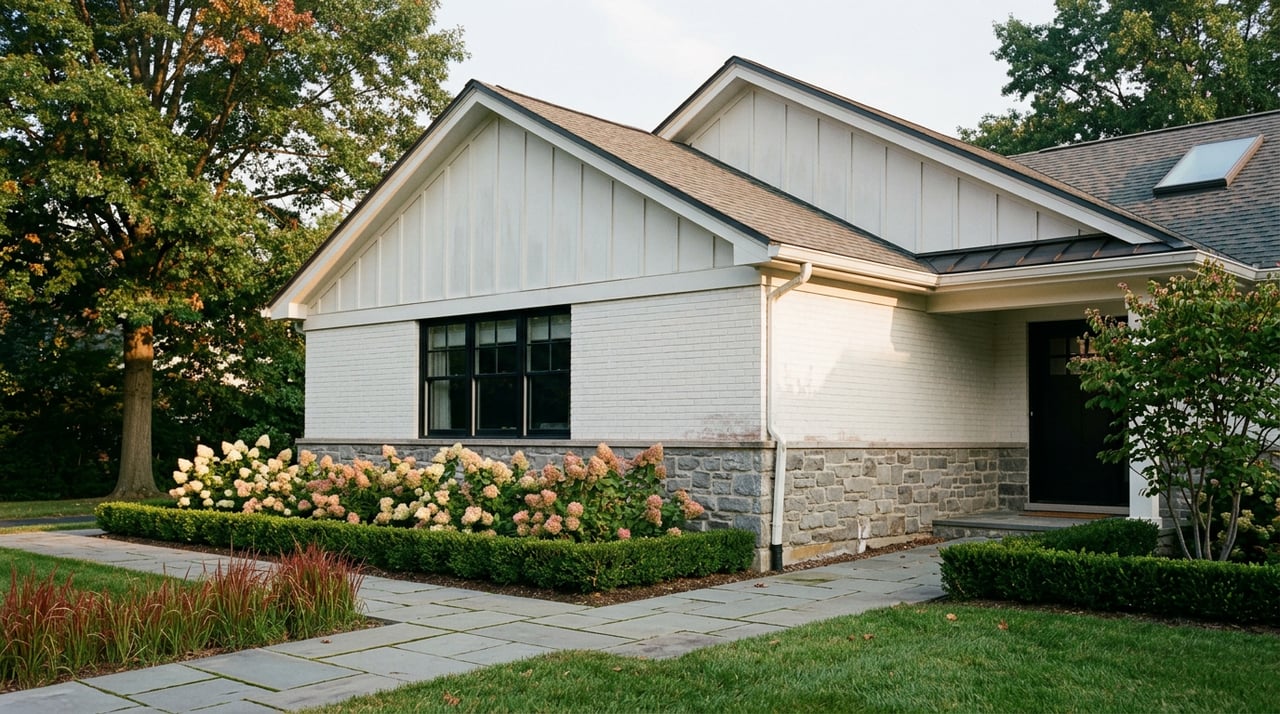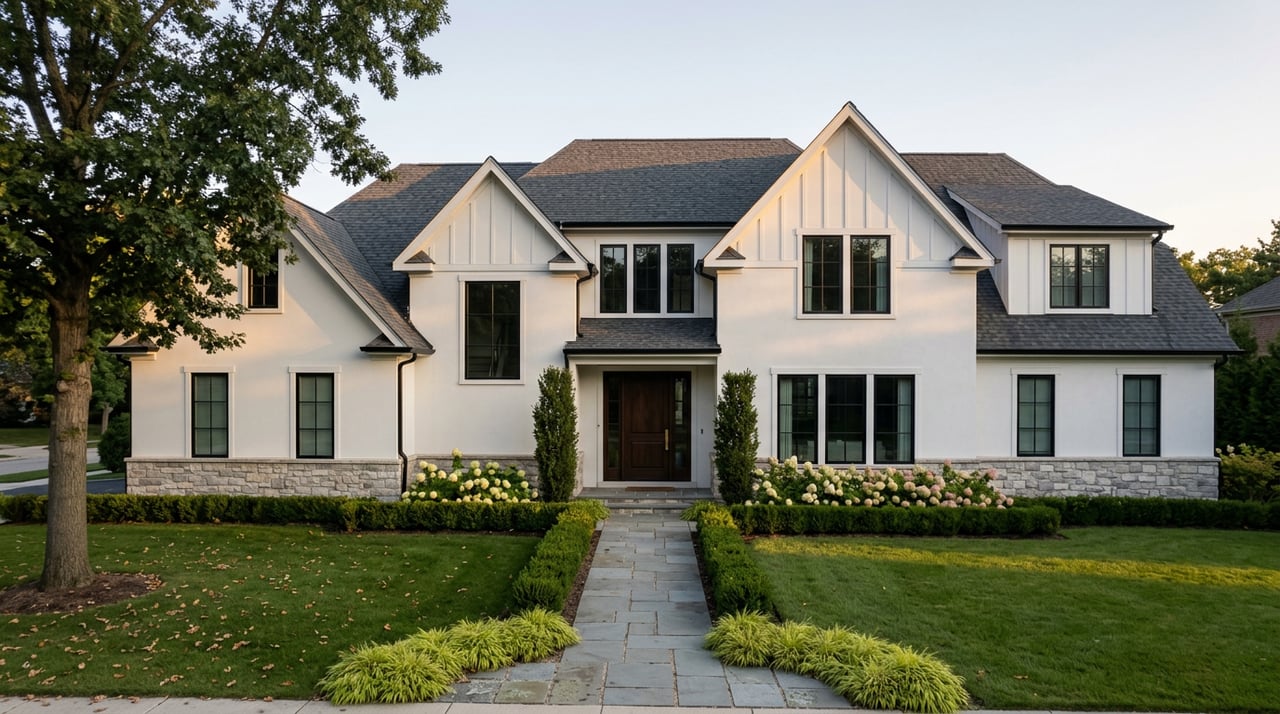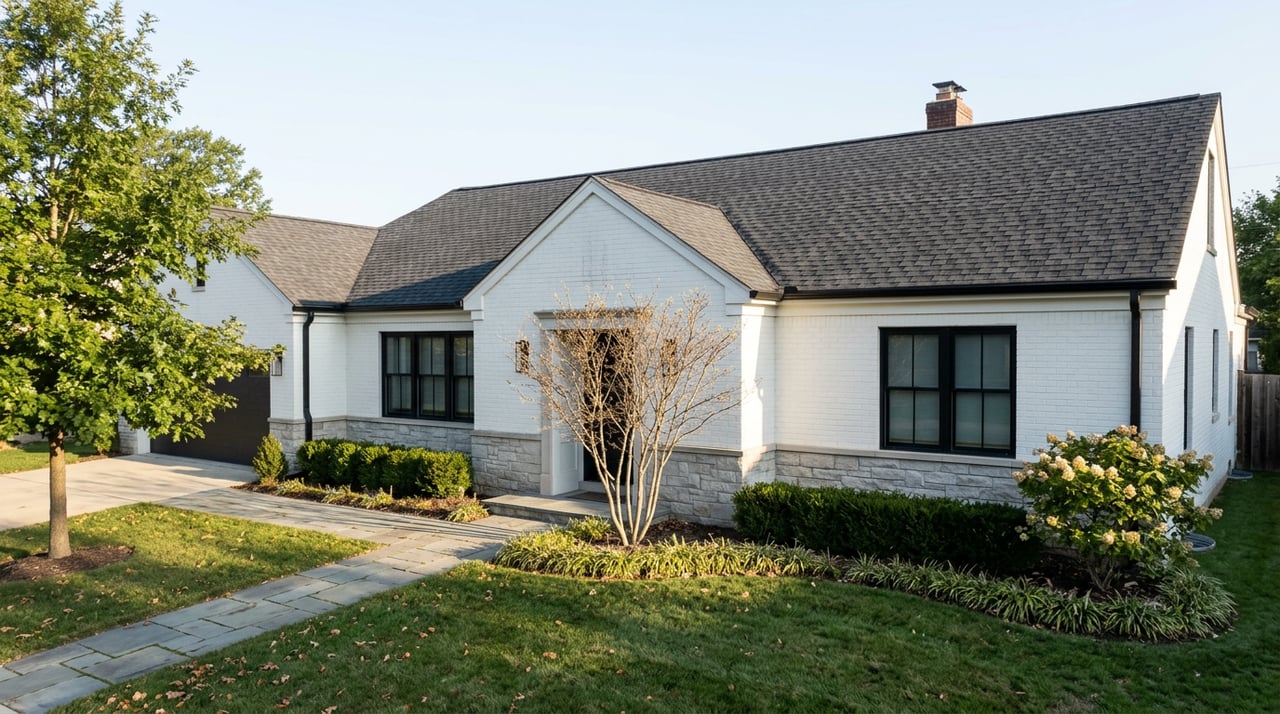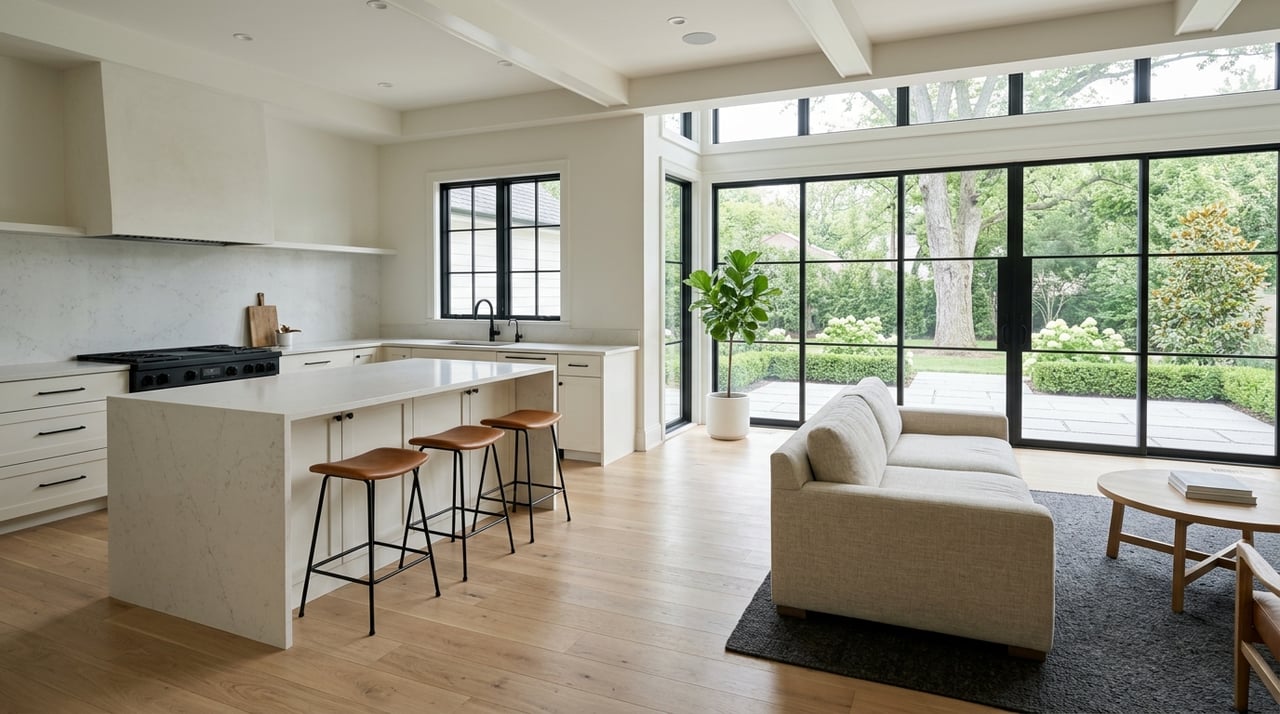
If you are getting ready to sell a luxury home in Great Falls, first impressions are not a small detail. In a market where homes sold at a median price of $1,864,037 over the three months ending April 2026 and buyers are seeing more inventory, presentation can shape both your timeline and your result. The good news is that you do not need to guess which updates matter most. With the right prep plan, you can focus on the improvements, records, and launch timing that help your home show at its best. Let’s dive in.
Why prep matters in Great Falls
Great Falls is a high-value, mostly owner-occupied market. Census QuickFacts reports a median household income above $250,000 and an owner-occupied housing rate of 95.4%, which helps explain why buyers often arrive with high expectations around condition, finishes, and outdoor presentation.
At the same time, the broader Washington-area market is not simply rebounding. Bright MLS describes 2026 as a reset year, with more inventory and ongoing federal-sector uncertainty influencing demand. For you as a seller, that means strong homes can still stand out, but launch-day quality matters.
Start with a pre-list inspection
One of the smartest first steps is a pre-list inspection. NAR reported in 2025 that more agents are recommending pre-listing inspections to help prevent canceled contracts and give sellers a chance to address issues before the home hits the market.
This step can help you spot repair items early and make clearer choices about what deserves attention. In a luxury sale, that often means fewer surprises once a buyer is already emotionally invested in the property.
A pre-list inspection also helps you prioritize your budget. Instead of spending broadly, you can focus on the items most likely to affect confidence, negotiation, or timing.
Focus on selective updates
For many Great Falls luxury homes, selective refreshes make more sense than a full remodel. NAR’s 2025 Remodeling Impact Report found that Realtors most often recommend painting the entire home, painting a single interior room, and making sure the roof is in good shape before listing.
That guidance fits this market well. If your home is structurally sound and generally current, buyers often respond best to a clean, polished, move-in-ready presentation rather than a long list of major renovations.
Interior projects worth considering
The same NAR report found strong cost recovery for several visible projects, including:
- New steel front door: 100%
- Closet renovation: 83%
- New fiberglass front door: 80%
- New vinyl windows: 74%
- New wood windows: 71%
- Minor kitchen upgrade: 60%
- Complete kitchen renovation: 60%
- Bathroom renovation: 50%
That does not mean you should automatically take on every project. It means buyers tend to notice improvements that feel immediate, functional, and easy to enjoy.
What buyers notice most
In a Great Falls luxury home, the highest-impact interior work is often simple:
- Fresh, neutral paint
- Repaired trim and drywall
- Well-functioning doors and windows
- Updated lighting where needed
- Clean, organized closets and storage
- Kitchens and baths that feel crisp, not tired
If your home has custom details, quality millwork, or strong architectural character, your goal is to highlight those features rather than distract from them with deferred maintenance.
Make curb appeal a priority
Outdoor presentation matters even more than many sellers expect. NAR’s 2023 outdoor-features report found that 92% of Realtors recommend improving curb appeal before listing.
That same report also showed strong resale recovery for exterior work, including landscape maintenance at 104%, an overall landscape upgrade at 100%, a new patio at 95%, tree care at 87%, and irrigation installation at 83%.
In Great Falls, where lot size and setting often play a major role in value, your exterior should feel clean, maintained, and intentional from the street all the way through the backyard.
Best exterior prep steps
Before listing, pay close attention to:
- Lawn condition and edging
- Fresh mulch and seasonal plantings
- Tree trimming and basic tree care
- Driveway and walkway cleanup
- Front entry appearance
- Patio and deck condition
- Outdoor lighting function
- Backyard flow for entertaining and relaxation
You do not need to create a new landscape plan in every case. Often, the best result comes from polishing what is already there and making the property feel well cared for.
Know which projects may need permits
Before you hire contractors, it is important to understand which prep items are straightforward and which may trigger Fairfax County permit requirements. According to Fairfax County guidance, no permit is required for direct replacement windows and doors, roof-shingle replacement, painting, flooring, cabinets and countertops, and on-grade paver or concrete patios.
That can make certain refresh projects easier to schedule before listing. If you are replacing finishes rather than changing structure, you may be able to move more quickly.
Projects that may require permits
Fairfax County says permits are required for additions and certain exterior or structural work, including:
- Decks
- Sunrooms
- Screen porches
- Front porches or stoops
- Bump-outs
- Second-story additions
- Garages and carports
- Pools
- Solar panels
- Retaining walls
- Some structural or miscellaneous work
The county also notes that land-disturbing activity over 2,500 square feet, tree removal, floodplain work, resource protection area work, and some right-of-way improvements may require additional approvals.
If you are considering a larger exterior improvement before selling, it is worth checking requirements early. A permit issue can slow your timeline and complicate your launch.
Gather records and disclosures early
Luxury buyers often expect organized documentation. If you can answer questions quickly and provide useful records, you help create confidence from the start.
In Virginia, the Residential Property Disclosure Statement tells buyers that the seller is making no representations or warranties about the property’s condition and directs buyers to conduct their own due diligence on items such as home inspections, mold, surveys, zoning and setbacks, flood hazards, resource protection areas, septic or wastewater systems, radon, and lead pipes.
That makes preparation especially important. Even though buyers are expected to do their own investigations, having your records together can make the transaction smoother.
Documents to pull together
Depending on your property, useful records may include:
- Recent repair invoices
- Roof, window, or HVAC replacement records
- Warranties that can transfer
- Septic or well records, if applicable
- Permit and inspection documentation for past work
- Survey or lot-related documents, if available
If your home uses a private well or septic system, Fairfax County notes that its Health Department permits and inspects certain private wells and septic systems. Having those records ready can help avoid delays.
Lead-based paint rules for older homes
If your home was built before 1978, federal law requires disclosure of known lead-based paint and lead-based paint hazards before sale. Sellers also must provide the lead pamphlet and give the buyer a 10-day period to conduct a lead inspection or risk assessment.
This is one of those items that is easier to handle when you prepare early rather than once you are already under contract.
Stage for the way buyers shop
Staging is not just about furniture. It is about helping buyers understand scale, flow, and lifestyle the moment they see your home online and then again in person.
NAR’s 2025 staging report found that 29% of agents said staging increased the dollar value offered by 1% to 10%, and 49% said staging reduced time on market. The most commonly staged rooms were the living room, primary bedroom, dining room, and kitchen.
That aligns well with luxury marketing in Great Falls. Buyers are often evaluating not just square footage, but how the home lives day to day and how it entertains.
Prep before staging
Before staging begins, make sure you:
- Declutter thoroughly
- Clean the entire home
- Complete minor repairs
- Refresh curb appeal
- Remove excess or bulky furniture
- Plan for pets to be out during showings
According to the same NAR report, decluttering, full-home cleaning, curb appeal improvements, pet removal during showings, and minor repairs are among the most common seller prep recommendations.
Finish repairs before photography
In today’s market, your listing media often shapes the first showing decision. NAR’s 2025 staging research found that buyers’ agents rated photos as the most important marketing element, followed by physical staging, videos, and virtual tours.
That is why timing matters. If you photograph too early, unfinished details will live online for every buyer to see.
A better approach is to complete repairs, finalize staging, polish the exterior, and then schedule photography and video once the home is truly ready. In a luxury market, that sequence supports a cleaner, more confident launch.
Use a smart prep sequence
If you want to keep the process efficient, follow a clear order of operations. Based on the research and the realities of Fairfax County and the Great Falls market, this is a sensible path:
- Schedule a pre-list inspection.
- Review the findings and decide what is worth fixing.
- Check permit or approval issues before starting regulated work.
- Gather records, invoices, and disclosure-related information.
- Declutter, clean, and complete cosmetic updates.
- Stage the key rooms buyers care about most.
- Finish exterior polish and landscaping.
- Schedule photography, video, and final marketing prep.
- Launch only when the home is fully presentation-ready.
This kind of plan helps you avoid spending in the wrong places. It also reduces the risk of putting a home on the market before it reflects its full value.
A concierge approach can make the difference
Preparing a Great Falls luxury home to sell is part design decision, part construction judgment, and part market strategy. The right guidance helps you decide what to refresh, what to leave alone, and how to time each step so your home enters the market with momentum.
That is where boutique, senior-led service can be especially valuable. When your pricing, prep, and presentation are aligned from the start, you are in a stronger position to attract serious buyers and protect your result.
If you are planning a sale in Great Falls and want a tailored prep strategy, Charisse McElroy can help you map out the right improvements, presentation plan, and launch timing for your home.
FAQs
What should you fix before selling a luxury home in Great Falls?
- Start with a pre-list inspection, then focus on high-visibility items like paint, roof condition, minor repairs, curb appeal, and selective updates that improve presentation without over-improving.
Does staging help a Great Falls luxury home sell?
- Yes. NAR’s 2025 staging report found that 29% of agents said staging increased the dollar value offered by 1% to 10%, and 49% said staging reduced time on market.
Which rooms matter most when staging a Great Falls home?
- The rooms most commonly staged are the living room, primary bedroom, dining room, and kitchen, because these spaces strongly influence how buyers understand comfort, function, and flow.
Do you need a permit for pre-sale home improvements in Fairfax County?
- It depends on the project. Fairfax County says painting, flooring, roof-shingle replacement, direct replacement windows and doors, cabinets, countertops, and on-grade patios typically do not require permits, while additions, decks, pools, retaining walls, and some structural work do.
Should you get a pre-list inspection before selling in Great Falls?
- In many cases, yes. A pre-list inspection can help uncover issues early, guide smarter repair decisions, and reduce the chance of surprises that could disrupt a contract.
What disclosures matter when selling an older home in Virginia?
- If the home was built before 1978, federal law requires disclosure of known lead-based paint and lead hazards, delivery of the lead pamphlet, and a 10-day opportunity for the buyer to conduct a lead inspection or risk assessment.