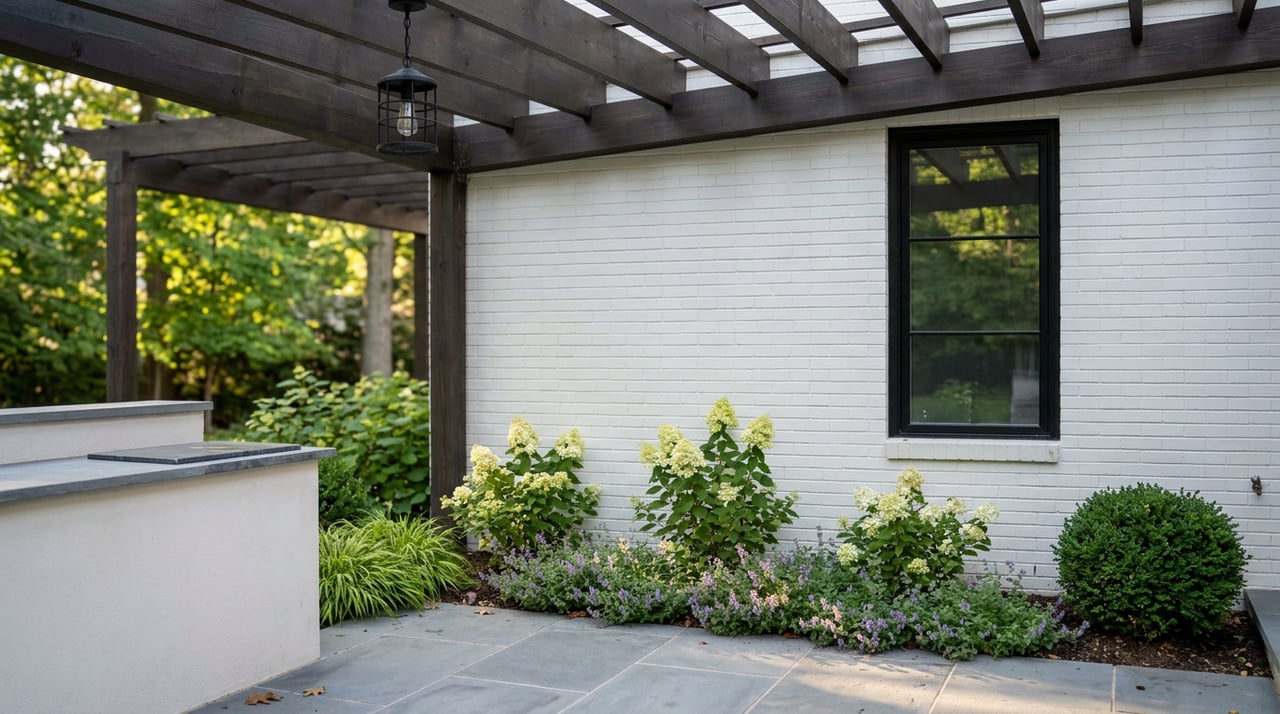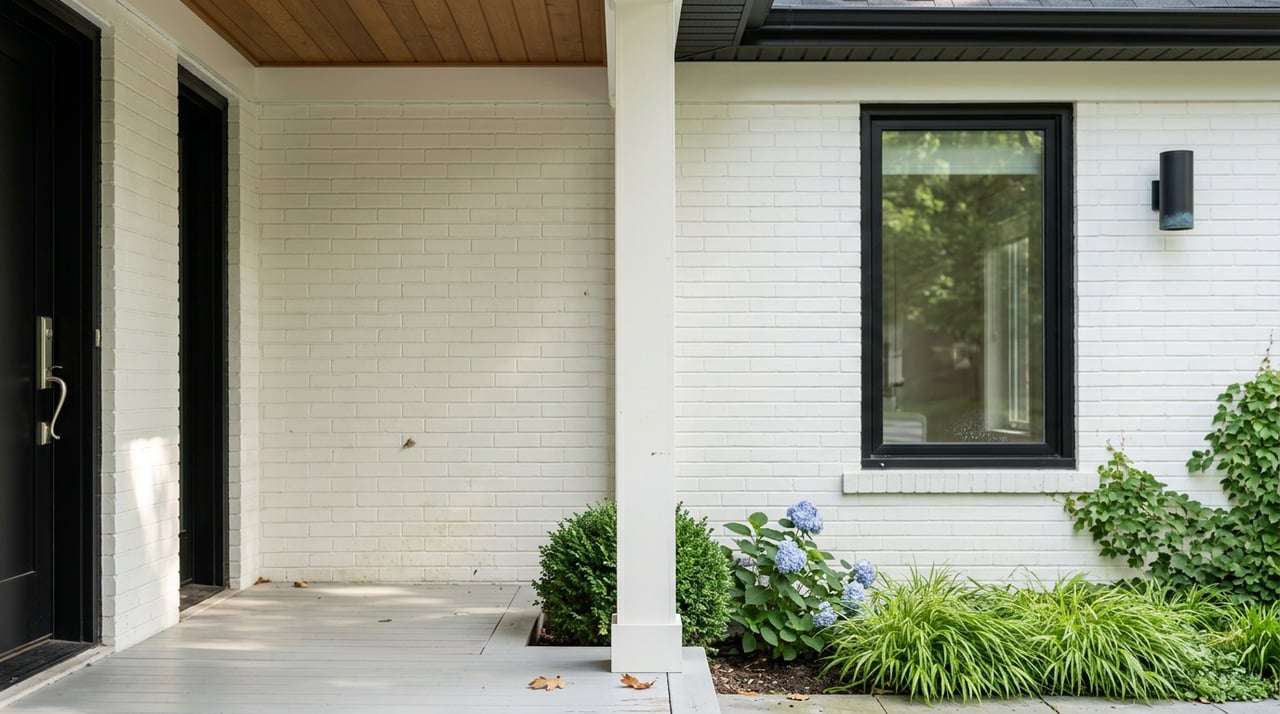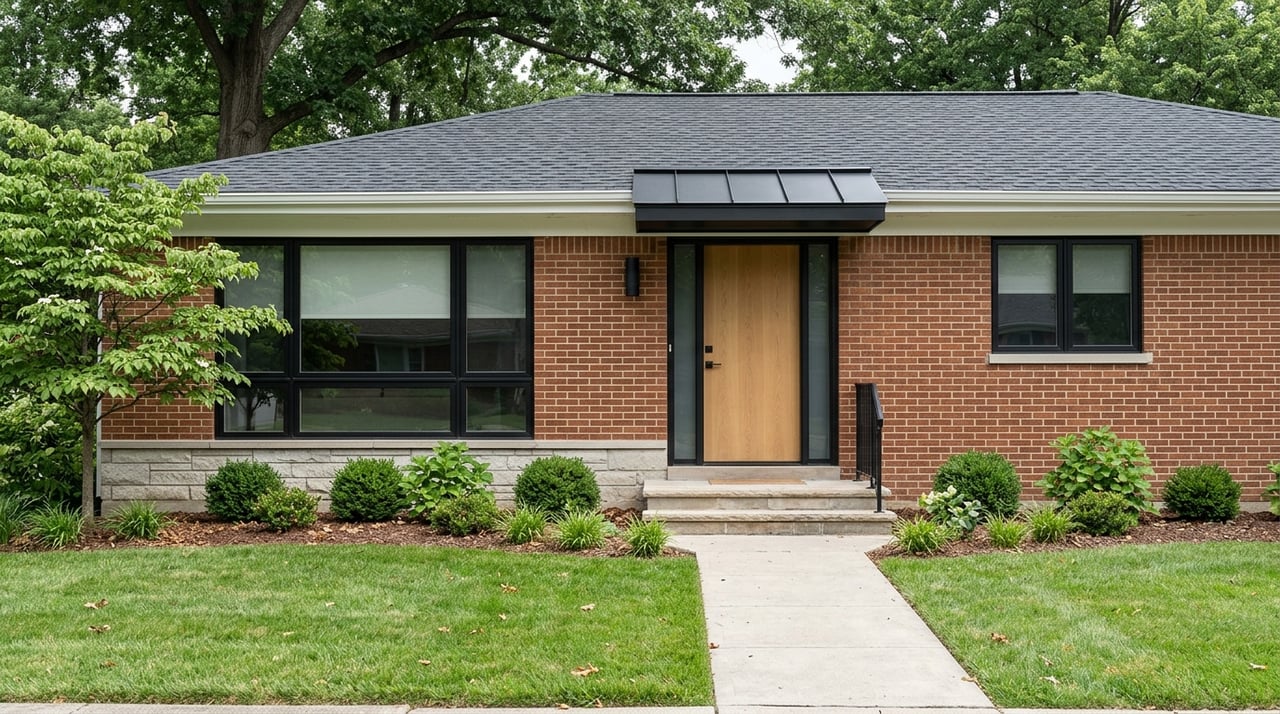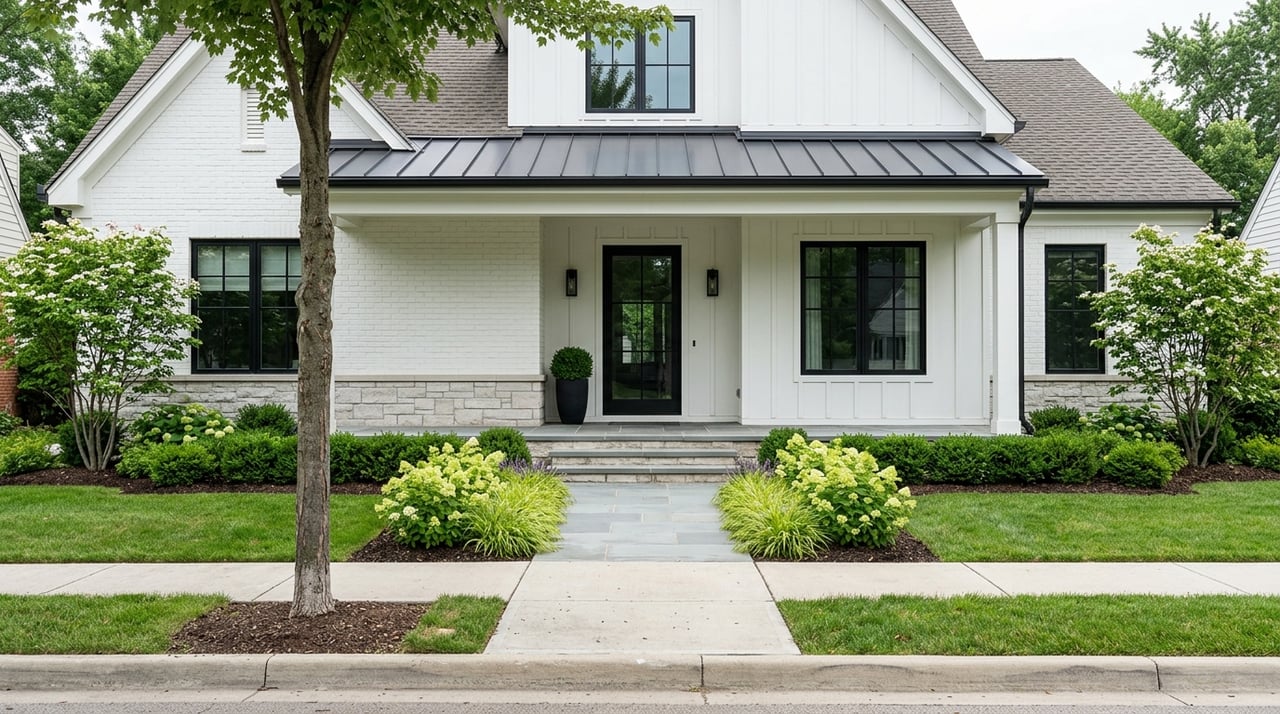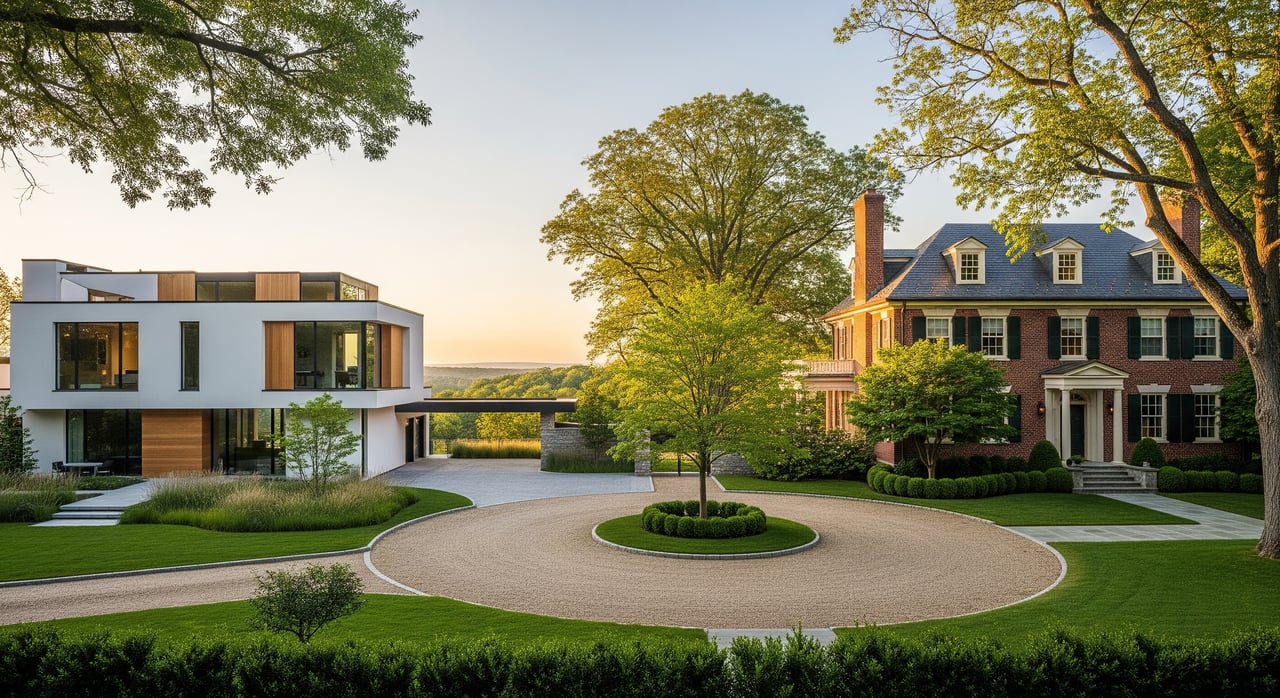
Choosing between a newly built home and a resale in Great Falls can feel like choosing between speed and customization. You may want privacy, acreage, and outdoor living, but you also want a smooth process and clear numbers. This guide breaks down timelines, costs, warranties, and lot realities unique to Great Falls so you can decide with confidence. Let’s dive in.
Great Falls market basics
Great Falls is known for large lots, mature trees, privacy, and access to commute routes into Tysons, Reston, and DC. Buyers here often weigh school boundaries within Fairfax County Public Schools and drive times to major employment centers. Outdoor amenities like pools, covered patios, and space for hobbies are high on the list. In this market, the land itself drives much of the value.
Lot quality matters most
In Great Falls, lot quality often outweighs square footage. Pay close attention to topography, tree canopy, privacy from neighboring homes, and how the house can sit on the land. Stream buffers and wooded areas can enhance privacy and beauty, but they can also limit where you build or expand. Proximity to main roads and schools can influence daily convenience and long‑term value.
Zoning and environmental rules
Most of Great Falls is low‑density residential. Minimum lot sizes, setbacks, and lot coverage rules affect how large a home you can build and where it can go on the site. Parcels with streams, wetlands, floodplain, or Resource Protection Areas trigger additional environmental reviews and buffers. The practical takeaway is simple: pre‑construction permitting can add time and cost, especially on wooded or sloped lots.
Utilities and site work
Many parcels tie into public water and sewer, but some legacy or outlying sections use alternative systems. Always confirm service availability before you budget. Utility extensions, tap fees, driveway design, drainage solutions, and stormwater management can materially shape the cost and feasibility of new construction on a specific lot.
Timeline: new build vs. resale
Resale timeline
Most resale purchases close within 30 to 60 days, depending on financing, inspections, and any negotiated repairs. You can move quickly if the home and lending are straightforward. This path suits buyers who value speed and immediate occupancy.
New construction timeline
New builds follow a different cadence. Pre‑construction due diligence, permitting, and site work can take several weeks for permitted spec homes or several months for lots that need grading, stormwater, or environmental approvals. Build time commonly runs 6 to 12 months for a custom single‑family home, with complex luxury projects extending to 12 to 24 months. Spec homes already underway can shorten the overall schedule.
Which path fits your schedule
If you need to be in Great Falls by a firm date, resale or a spec home already under construction is typically the safer route. If you want a tailored floor plan, integrated technology, and curated finishes, plan for a longer arc and confirm milestone dates in writing. The right choice depends on your move‑in deadline and how much customization you want.
Costs and carrying costs
New build costs to plan for
Beyond the base construction price, budget for lot acquisition, grading, drainage, retaining walls, and utility tie‑ins. Permit and impact fees are standard, and wooded Great Falls lots can reveal unanticipated site conditions like rock outcroppings, wetlands, or tree mitigation requirements. These add time and money, so set aside a contingency for site issues.
During construction, expect carrying costs such as interest on a construction or construction‑to‑permanent loan, property taxes on the lot or partially built home, builder’s risk and owner insurance, and possible HOA or maintenance fees. If you are selling a current home to build, you may have temporary housing or dual‑mortgage overlap without careful coordination.
Resale costs to expect
With a resale, your carrying costs start at closing and are more predictable: mortgage, taxes, insurance, and utilities. You may face earlier capital expenses for systems like roofing, HVAC, or windows compared with a new home. Balance purchase price with the near‑term maintenance outlook.
Budgeting tips
- Include a 5 to 10 percent contingency for site conditions on wooded or undeveloped lots.
- Ask for detailed allowances that separate base price from finish upgrades.
- Clarify financing structure, draw schedules, and who pays interest during construction.
- Plan for temporary housing if you need to sell before you build.
Warranties, inspections, and protections
Typical new home warranty
Many builders follow a common framework: about one year for workmanship and materials, two years for mechanical systems, and ten years for major structural defects. Terms vary by builder and contract, and some appliances or finishes carry their own warranties. Even with warranties, clear documentation matters.
Inspection best practices
For new builds, consider independent third‑party inspections at key stages such as pre‑pour, framing, mechanical rough‑in, and final. Inspections help surface issues early and provide a record for warranty claims. For resales, a comprehensive home inspection with specialist evaluations for systems like roofing, HVAC, or septic is standard.
Contracts that protect you
For custom builds, your contract should define scope, allowances, change order procedures, schedule milestones, draw payments, holdbacks, and remedies for delays. For resales, rely on inspection, appraisal, and financing contingencies to manage risk. Clear language reduces surprises and keeps the project on track.
Customization and daily living
Why buyers choose new construction
New construction lets you select modern layouts, energy‑efficient systems, accessibility features, and integrated smart‑home technology. You can tailor storage, mudrooms, home offices, and outdoor living zones to your lifestyle. New systems also tend to reduce short‑term maintenance and improve energy performance.
Why buyers choose resale estates
Resale homes offer immediate occupancy, established landscaping, and the character that comes with mature trees and long‑lived neighborhoods. Purchase prices can be more favorable compared with a similarly sized custom new build. In Great Falls, some buyers specifically seek older estates for scale and original craftsmanship.
Thinking about ROI
High‑end, taste‑specific finishes can narrow your future buyer pool. Focus on upgrades that Great Falls buyers consistently value, such as privacy, outdoor living, and durable, high‑quality systems. Keep resale in mind as you select finishes and plan square footage.
Resale value and comps
What drives value here
Lot size and privacy, access to commute corridors, outdoor amenities, and the quality of construction and finishes all influence value. A new home that respects neighborhood scale and optimizes views and privacy can command a premium among older neighbors. Overbuilding on a lot can create appraisal and comparability challenges.
Appraisals and neighborhood fit
Appraisers look to nearby comparable sales. If your custom home is far above other recent sales, the appraisal may require broader searches or adjustments. Before you finalize plans, consider how size, finish level, and footprint will fit within neighborhood comps and support long‑term marketability.
How design/build streamlines the process
What design/build means
Design/build is a delivery model where one integrated team handles both design and construction under a single contract. You get one point of responsibility, which simplifies communication. When design and build work together, planning and procurement can progress in parallel.
Benefits in Great Falls
On complex, wooded lots, an integrated team can flag site challenges early and value‑engineer solutions before plans are finalized. You get more transparent cost feedback during selections, better schedule control, and fewer handoffs between architect and builder. For spec homes, design/build can shorten delivery because the same team aligns design choices with build realities from day one.
Guardrails and oversight
Because design and construction are bundled, you should ensure pricing transparency, subcontractor quality, and clear allowances in the contract. Require independent inspections at milestones and confirm appropriate warranty coverage and builder’s risk insurance. Strong governance lets you enjoy the speed of design/build without sacrificing protection.
Quick buyer checklist
Use this list to compare options for a specific Great Falls property.
- Lot and zoning
- Public water and sewer availability and connection fees
- Stream buffers, wetlands, floodplain, or Resource Protection Areas
- Setbacks, lot coverage limits, and easements
- Timeline and financing
- Start date, milestone schedule, and expected completion date
- Construction, construction‑to‑permanent, or standard mortgage for a spec home
- Draw schedule, inspections, and who pays interest during construction
- Costs and contingencies
- Detailed allowances and upgrade pricing for finishes and systems
- 5 to 10 percent contingency for unforeseen site conditions
- Warranties and inspections
- Full warranty scope and providers with claim process and timelines
- Rights to independent inspections at key stages
- Resale and comparability
- Fit with neighborhood comps for size, finish level, and footprint
- Any design choices that may narrow future buyer appeal
- Practical local logistics
- Which Fairfax County Public Schools serve the property
- Drive routes to Tysons, Reston, and downtown DC and proximity to amenities
Putting it all together
Choosing between new construction and resale in Great Falls comes down to what you value most. If speed and established landscaping top your list, resale often wins. If customization, energy performance, and warranties matter more, a new build or a well‑timed spec home could be the right fit. Either way, the lot’s quality and constraints should lead your decision.
At REP Real Estate Partners, we pair senior‑led representation with in‑house design and construction insight so you can evaluate lots, timelines, and budgets with clarity. If you are comparing specific properties or considering a pre‑construction purchase, let’s talk about the best path for your household. Connect with Charisse McElroy to Request a Concierge Consultation.
FAQs
How long does a new build take in Great Falls?
- Plan for several weeks to several months for permitting and site work, plus 6 to 12 months to build. Complex luxury projects can take 12 to 24 months.
What are typical new home warranties?
- Many builders offer around one year for workmanship and materials, two years for mechanical systems, and ten years for structural coverage. Exact terms vary by contract.
What carrying costs should I expect during construction?
- Expect interest on construction financing, property taxes on the lot or partially built home, builder’s risk and owner insurance, and possible HOA or maintenance fees.
How do lot constraints affect building in Great Falls?
- Zoning setbacks, lot coverage limits, slopes, mature trees, streams or wetlands, floodplain, and Resource Protection Areas can limit the footprint and extend permitting.
Is a spec home a faster option?
- Yes. Spec homes already under construction or completed can shorten pre‑construction time and accelerate move‑in compared with a fully custom build.
How does design/build help affluent buyers here?
- A single integrated team can streamline decisions, provide early cost transparency, overlap design and permitting, and reduce coordination risk while maintaining strong contractual oversight.