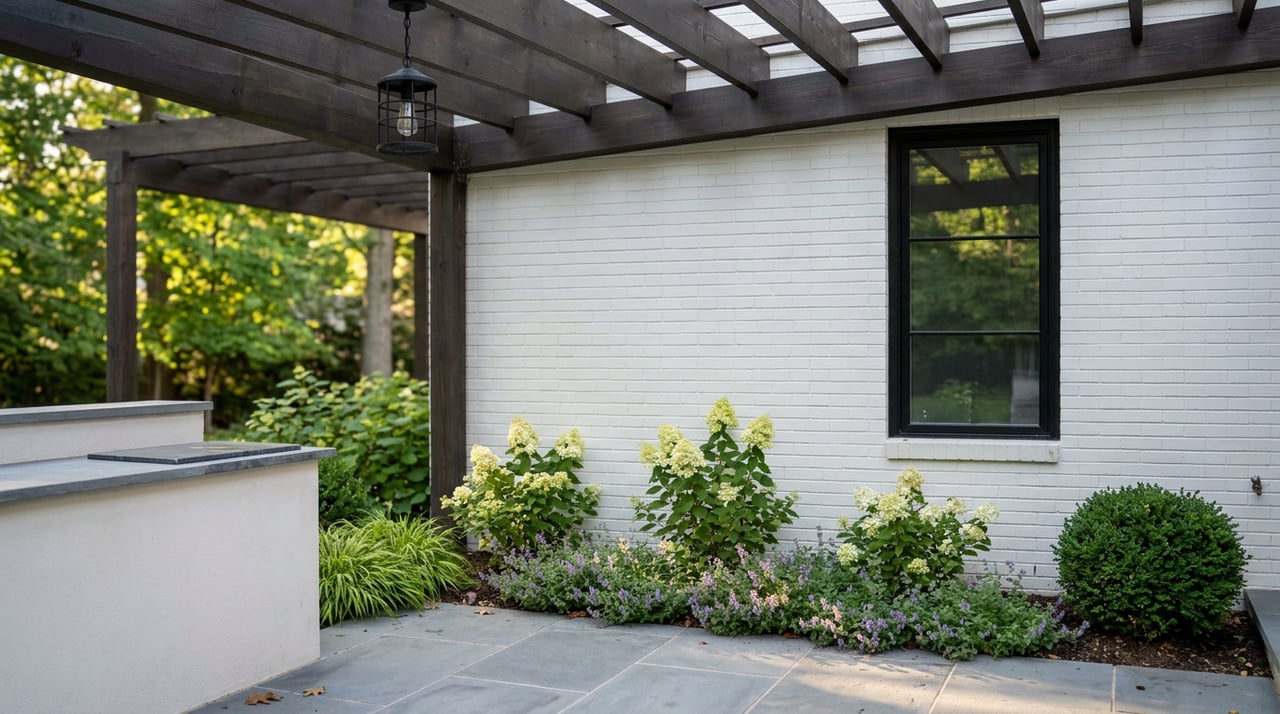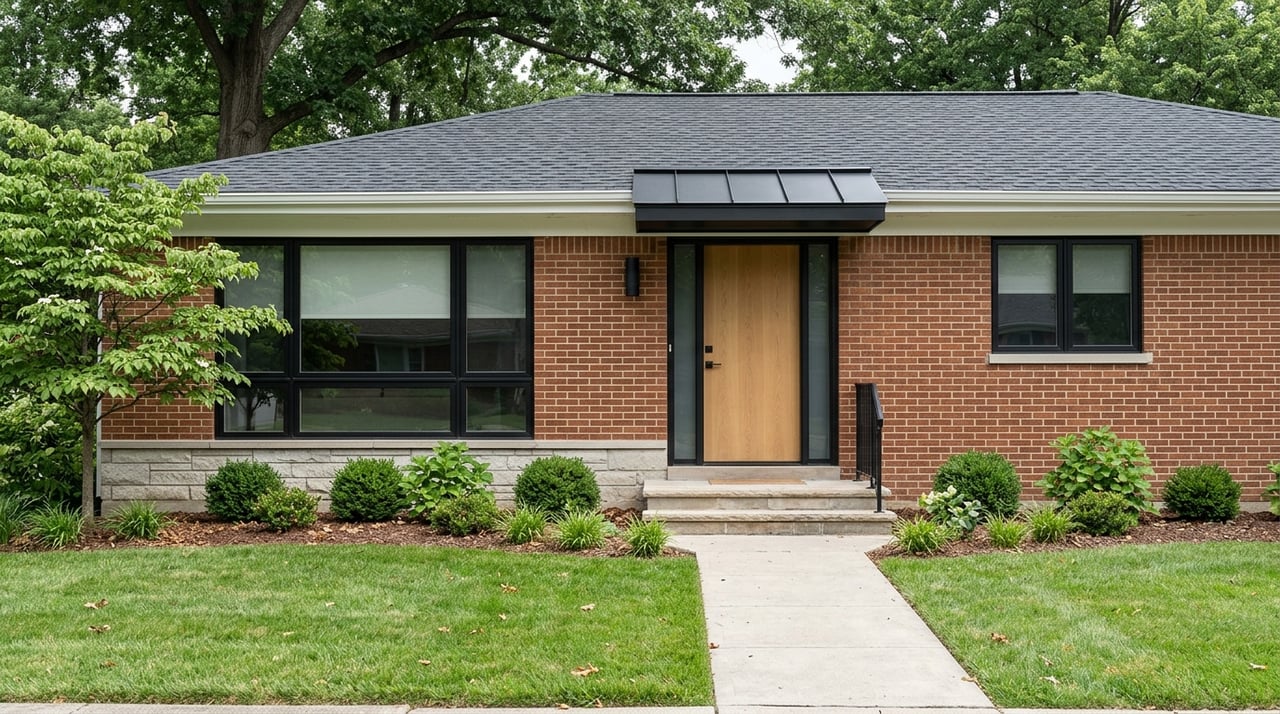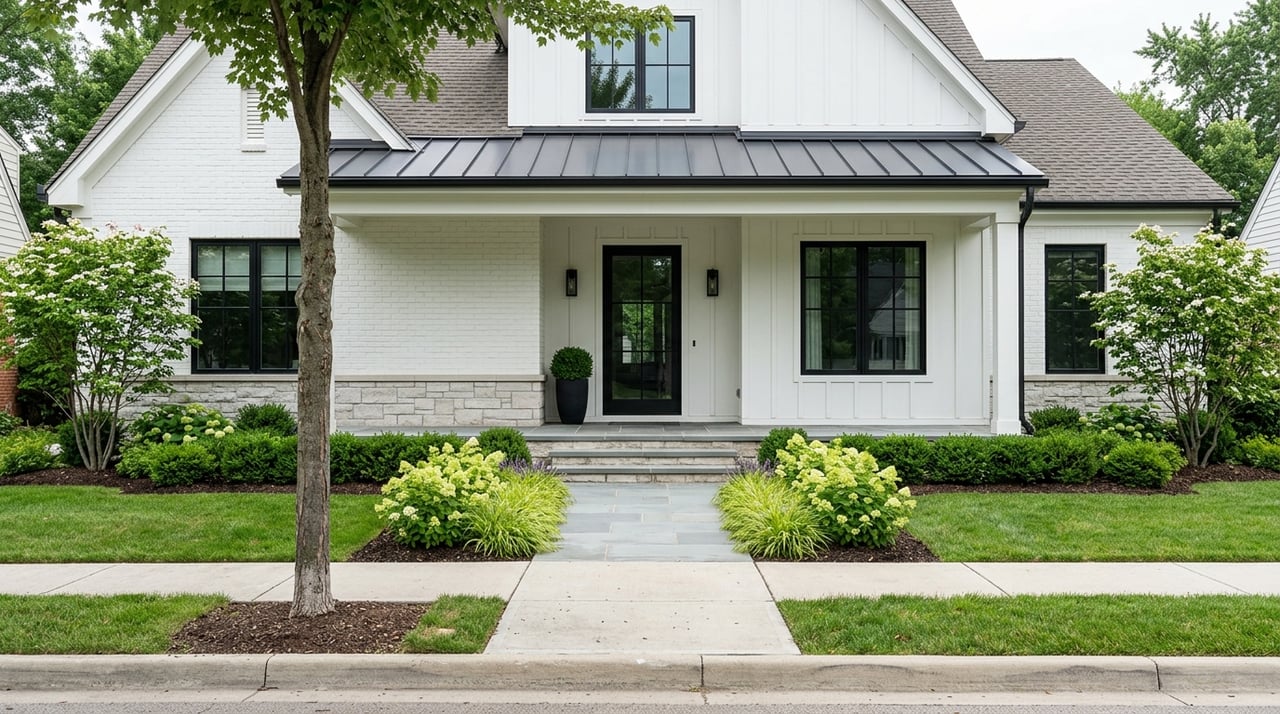
Deciding between North Arlington and McLean often comes down to one question: do you want the shortest, most predictable commute into DC, or do you want more privacy and yard space at home? If you are an executive or federal professional, both areas check the luxury box, but they trade different strengths. In this guide, you will see how commute options, price bands, lot sizes, schools, and day‑to‑day lifestyle compare so you can choose with confidence. Let’s dive in.
Who each area fits best
North Arlington: transit and walkability
If you want a daily routine that puts cafés, restaurants, and services within a short walk, North Arlington delivers. The Rosslyn–Ballston corridor strings together multiple Orange/Silver (and at Rosslyn, Blue) line stations, which supports quick, reliable rail access into the District. Many addresses here also benefit from strong first/last‑mile options like local buses, trails, and Capital Bikeshare. A single block can feel very different from the next, so checking a specific address’s walkability helps; try a sample address to see how Walk Score varies block to block.
McLean: space, privacy, and suburban ease
If your priority is a larger lot, more interior square footage, and a quieter residential setting, McLean stands out. You will find many single‑family homes on quarter‑ to half‑acre lots, with estate‑scale properties in Langley‑area pockets and toward Great Falls. McLean offers quick reach to Tysons retail and regional roadways. There are walkable nodes near the Silver Line, but most neighborhoods are car‑oriented.
Commute comparison for DC‑bound professionals
Metro access and reliability
- North Arlington: The Rosslyn–Ballston corridor provides multiple Orange/Silver line stations (and Blue at Rosslyn), placing many homes within a short, predictable ride to central DC hubs. Local buses and trails improve first/last‑mile reliability during office hours.
- McLean: The Silver Line serves McLean and Tysons, offering one‑seat or one‑transfer trips into downtown DC. Door‑to‑door rail times are usually longer from McLean than from Rosslyn/Courthouse/Clarendon. For exact timing from your block to your office, use the WMATA Trip Planner.
Typical door‑to‑door times
- North Arlington to Metro Center by rail: Riders often quote about 7–10 minutes of rail time from Rosslyn and roughly 10–25 minutes from stations along the corridor. Add 5–12 minutes for station access, wait time, and the final walk to the office.
- McLean/Tysons to central DC by rail: Expect broader ranges, often about 25–50 minutes of rail time depending on the origin station and the exact downtown stop. Add access time and any transfers. Always confirm your peak windows with the WMATA Trip Planner.
Driving options and predictability
- North Arlington: Proximity to DC bridges and I‑66 can keep drives relatively short compared with many farther‑out suburbs. Peak‑period congestion, incidents, and toll dynamics can still reduce predictability.
- McLean: Multiple highway options exist (I‑495, Route 123, GW Parkway, and the Dulles Toll/Access Road). Peak inbound traffic often makes driving times less predictable than rail for time‑sensitive commutes.
Price bands and current snapshot
How this guide defines price tiers
- Upper‑mid: About $1.0M to $2.5M. Think move‑up single‑family homes and high‑end townhomes or larger condos in this region.
- Luxury: About $2.5M and above. Think larger estates, designer rebuilds, and acreage where available.
These are working bands commonly used in the DC area and should be calibrated to live MLS data at the time you buy or sell.
Market metrics to know (source and date matter)
- McLean median sale price: About $1,642,500 as of January 2026, based on Redfin’s monthly median sale price calculation. Median sale price reflects closed transactions and can swing month to month.
- Arlington typical home value: Zillow’s ZHVI for Arlington County sits near the ~$0.8M range as of late January 2026. ZHVI smooths values across property types and is not the same as median sale price.
Because vendors measure different things, always check the metric, source, and date before comparing. Market conditions can also shift quickly; in 2025 the region’s luxury segment saw some softening in certain months, according to the Washington Post’s housing coverage. Your best move is to pair these snapshots with live comps and active inventory when you are ready to act.
What drives price per square foot
In both markets, premium values tend to follow five factors:
- Distance to Metro or a walkable village core
- Lot size and privacy
- School assignment
- Interior size, finish level, and newness
- Historic desirability of the micro‑neighborhood or street
Small location shifts can change value expectations. For example, moving a couple of blocks closer to a Metro entrance in North Arlington often raises price per square foot. In McLean, being inside a specific high‑school pyramid can have a similar effect.
Lot sizes and property types
North Arlington expectations
Typical single‑family lots in established North Arlington neighborhoods often run about 0.08 to 0.25 acres. You will see renovated period homes, recent infill new builds, and larger townhomes near the transit nodes. As one example, a Yorktown‑area property at 4023 30th St N was marketed on a lot of about 0.25 acre. If you value a yard but want to stay walkable, focus on streets that balance both.
McLean expectations
Many McLean neighborhoods feature lots of about 0.25 to 0.5+ acres, with true estate parcels in Langley‑area pockets and near Great Falls that reach 1 acre or more. An example property at 1617 Kirby Rd was marketed on a lot of about 0.45 acre, typical of the area’s larger‑lot profile. If you entertain, garden, or want more separation from neighbors, McLean’s lot sizes can be a strong match.
Schools and education access
Public school pyramids
- North Arlington: Arlington Public Schools serve this area. Yorktown High School is often noted for strong performance in public profiles. See how the school is described on GreatSchools’ Yorktown page. Always confirm an address’s assigned elementary, middle, and high schools with official boundary tools before you buy, since boundaries affect value and choice.
- McLean: Families are typically zoned to McLean High or Langley High, both of which appear frequently in local rankings. For a general overview of how high‑school neighborhoods are discussed in McLean, you can review this Patch summary of local rankings. As with Arlington, confirm the exact pyramid for any specific address.
Use school‑rating sites as one input only. The best approach is to pair public information with your family’s priorities, program offerings, and commute needs.
Private school access
- McLean offers close proximity to several well‑known private schools that are frequently considered by luxury buyers.
- North Arlington provides convenient reach to DC‑area private schools, which can be helpful if a parent commutes downtown.
When school choice matters, factor in after‑school travel time and weekend activities as part of your location decision.
Lifestyle snapshots
A workday in North Arlington
You might start with a quick coffee and a five‑minute walk to the Metro. The rail ride into a central DC hub can be under 20 minutes from many stations along the corridor. After work, it is easy to meet friends for dinner, pick up groceries, and head home on foot. For many, the value is about a low‑friction weekday that minimizes car time.
A weekend in McLean
Mornings might begin on the patio while kids or pets enjoy the yard. Midday can include errands in Tysons or a show at Capital One Center. Evenings often revolve around entertaining at home, with space for guests indoors and out. The day feels quieter and more private, which is exactly what many buyers want when they are off the clock.
How to choose: a quick guide
Choose North Arlington if you want:
- A short, predictable rail commute to central DC
- A daily routine within a walkable village core
- Premium townhomes, condos, or single‑family homes on smaller lots near transit
- Strong first/last‑mile options that reduce car reliance
Choose McLean if you want:
- Larger lots, more interior volume, and greater privacy
- A quieter, suburban feel with quick access to Tysons amenities
- Estate‑style single‑family options, including 1+ acre parcels in some pockets
- Willingness to accept a longer door‑to‑door commute for more space
Where to start:
- Run your exact commute at your peak hours with the WMATA Trip Planner.
- Compare live comps within your target price band to understand tradeoffs in square footage, finish level, and yard size.
- Check Walk Score for your short list of addresses to see how your routine will feel day to day.
- Confirm school assignments for each address and weigh after‑school logistics.
Next steps
Both North Arlington and McLean are excellent options for luxury buyers headed into DC. The right fit depends on your exact commute, how much yard you want, and what a good weekday feels like to you. If you would like a street‑by‑street plan that balances commute time, lot size, and school priorities, our boutique, principal‑led team can help you weigh real tradeoffs and act with confidence. Reach out to schedule a conversation with Charisse McElroy and request a concierge consultation tailored to your goals.
FAQs
Is the Metro commute from North Arlington faster than from McLean?
- Many riders experience shorter rail times from the Rosslyn–Ballston corridor, while Silver Line trips from McLean/Tysons often take longer door to door; confirm your exact route with WMATA.
What are typical lot sizes in each area?
- North Arlington single‑family lots often range from about 0.08 to 0.25 acres; McLean commonly offers 0.25 to 0.5+ acres, with 1+ acre estate parcels in select pockets.
How do home prices compare in early 2026?
- Redfin’s January 2026 median sale price for McLean was about $1,642,500; Arlington’s Zillow ZHVI typical home value was around $0.8M, noting these metrics measure different things.
Which area is better for walkability and daily errands?
- North Arlington typically offers more address‑level walkability near Metro stations and village cores; McLean has walkable nodes, but most neighborhoods are car‑oriented.
How do public schools factor into value?
- School assignment can influence pricing in both areas; verify each address’s pyramid and review public profiles like GreatSchools alongside your family’s specific needs.
Can I get estate‑style living near a Metro station?
- You may find larger homes near North Arlington stations, but true estate‑scale lots are more common in McLean; expect a tradeoff between lot size and transit proximity.